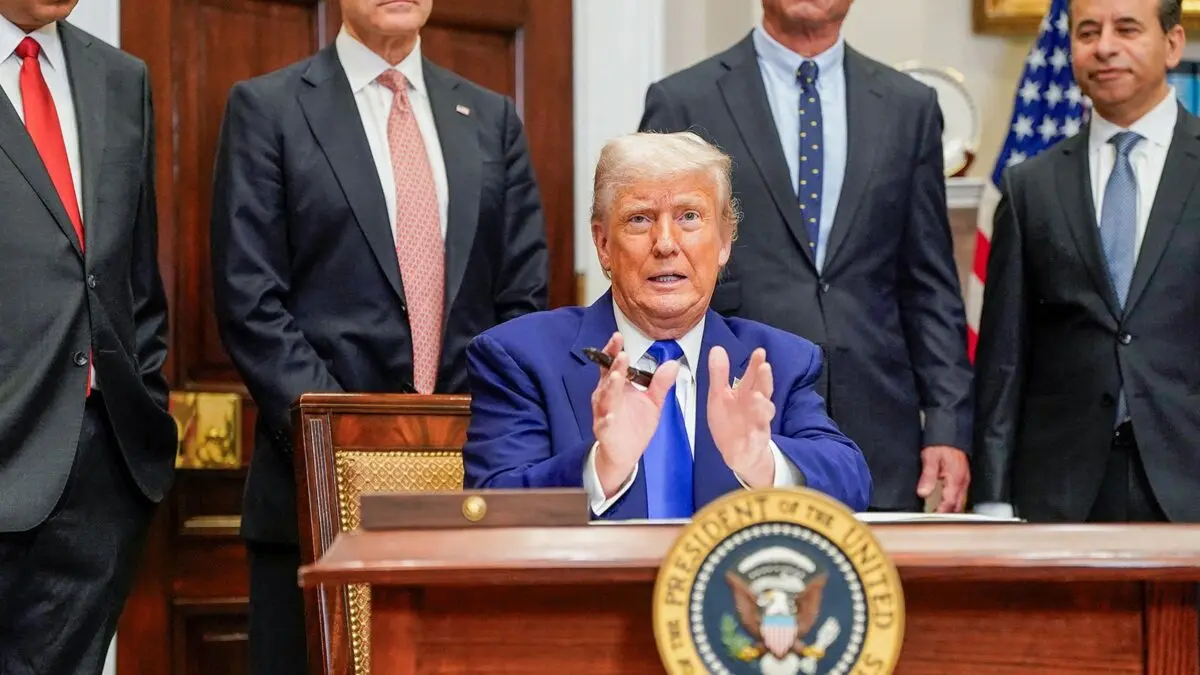
Oslo / Washington, DC: As the Nobel Peace Prize 2025 announcement looms on October 10, spotlight has turned to US President Donald Trump, who has repeatedly asserted he merits the award. But experts and observers remain divided — and cautious — on whether his claims will carry weight with the Norwegian Nobel Committee.
The prize process: How it works, and who decides
Nominations for the 2025 Peace Prize closed on January 31.
Eligible nominators include government officials, members of national assemblies, university professors across certain fields, past laureates, and leaders of institutes focused on peace and international affairs.
The Norwegian Nobel Committee — five members appointed by Norway’s parliament — evaluates nominees in private and casts the final vote.
Nobel Committee rules guarantee confidentiality: names of nominees and nominators are sealed for 50 years.
Because of these strictures, publicity or self-promotion carries little formal weight, though endorsements by political figures sometimes emerge after nominations.
Trump’s nominations and external support
Though critics question whether his recent diplomacy fits Nobel criteria, Trump has secured public backing from several quarters:
Israeli Prime Minister Benjamin Netanyahu nominated him earlier this year, citing Trump’s role in Israel–Hamas mediation efforts.
The Hostages and Missing Families Forum in Israel formally urged the Nobel Committee to honour him for negotiating hostage release deals.
Other nominations reportedly came from Pakistan’s government and Cambodia.
In October 2025, Malta’s foreign minister Ian Borg also announced a nomination, pointing to Trump’s facilitation of the Armenia–Azerbaijan agreement and ceasefire steps.
Even so, many of these endorsements arrive too late to affect committee deliberations. The prize decision is believed to have been made earlier in the autumn.
What Trump has claimed & what critics say
Trump has been unusually vocal about his perceived entitlement to the Peace Prize. Some of his key claims:
He has said he ended or mediated “seven wars” in a short span, and more recently sometimes claims eight.
In June, he told reporters the Nobel Committee “should give” him the award and claimed he “should have gotten it four or five times.”
Trump has said that failing to receive the prize would be “a big insult” to the United States.
On at least one occasion, he reportedly called Norwegian Finance Minister Jens Stoltenberg out of the blue to express his desire for the prize during a conversation about U.S. tariffs.
Skeptics and analysts counter these claims:
Many of the conflicts Trump cites as “ended” lack clear evidence of durable peace or mediation directly attributable to him.
Experts view his overt campaigning as unprecedented and potentially counterproductive in Nobel terms, which emphasize “quiet work” and sustained peace efforts.
Some in Norway fear Trump may lambast the Nobel Committee if he loses, raising concerns about retaliation or politicization.
A Bloomberg report cites that Trump’s pressure and rhetoric “rattled” the Nobel system.
Can He Win? The Odds and Other Contenders
Despite the noise, many observers consider Trump’s chances slim:
The Nobel Committee tends to favour long-term institutional or humanitarian peace efforts over recent, ad hoc diplomatic deals.
The prize’s secrecy means committee members are unlikely to reward candidates who lobby for the honor publicly.
Norwegian experts and Nobel watchers have described his campaign as “ineffective” and “futile.”
Alternative names being floated by analysts and media include:
Yulia Navalnaya, widow of Russian opposition leader Alexei Navalny.
Volodymyr Zelenskyy, president of Ukraine.
International organizations such as UNHCR or Reporters Without Borders are also speculated as more fitting.