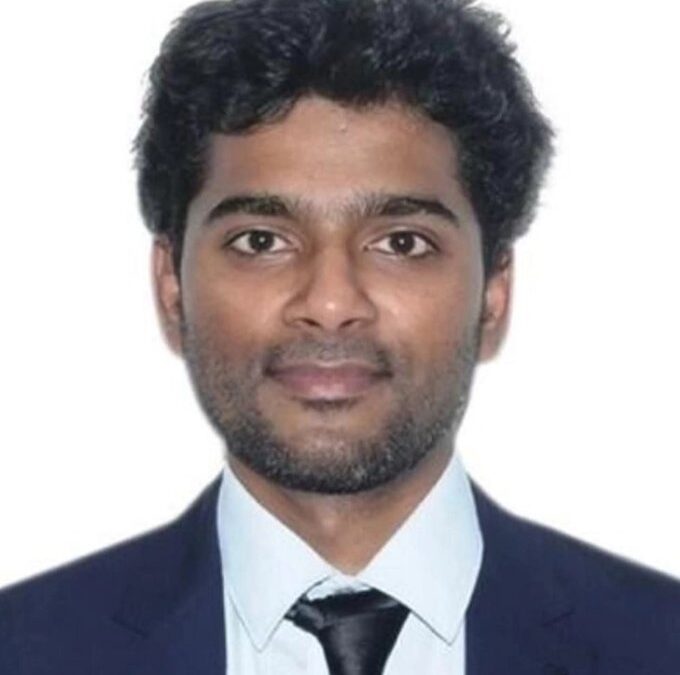
Chennai: A 39-year-old cardiac surgeon—someone who had sworn to save hearts—lost his own to a sudden heart attack. Dr. Gradlin Roy, a promising cardiologist, collapsed during his hospital rounds and despite the best efforts of his colleagues—including CPR, emergency stenting, and use of an intra-aortic balloon pump—nothing could undo the damage. His sudden demise has shaken the medical fraternity and the public alike, highlighting an uncomfortable truth: even those who dedicate their lives to healing are not immune to silent health crises.
Informing about the doctor’s death, neurologist Dr Sudhir Kumar of CMC Vellor tweeted: “When the Healer Falls: A Wake-Up Call for Doctors’ Heart Health.”
A Silent Epidemic Among Doctors
Dr. Roy’s passing is not an isolated tragedy. Kumar emphasized the lesson in this loss: “When those who save lives fall ill, it is a crucial reminder to prioritize doctors’ heart health.” He also noted that in recent years, many young healthcare professionals in their 30s and 40s have succumbed to sudden cardiac arrests, underscoring a troubling pattern.
Why Are Doctors at Risk?
A heart attack, or myocardial infarction (MI), occurs when blood flow to a part of the heart is blocked, starving the heart muscle of oxygen. While warning signs such as chest pain, pressure in the neck, jaw, or shoulders may appear, many heart attacks remain “silent,” surfacing only when it is too late.
According to Dr. Kumar, several factors make doctors particularly vulnerable:
Long, erratic hours disrupting sleep and circadian rhythms.
High stress levels from patient care, critical decisions, and constant emergencies.
Sedentary routines with little time for exercise.
Unhealthy eating habits, from skipped meals to dependence on hospital canteens.
Unshared psychological burden—depression, burnout, and emotional exhaustion.
Neglecting preventive care, as doctors often ignore their own health while caring for others.
Protecting the Healers
To break this cycle, Dr. Kumar urges doctors to embrace preventive measures:
Annual screenings for blood pressure, cholesterol, and diabetes.
Ensuring at least seven hours of sleep daily.
Regular physical activity, even brisk walks or cycling.
Taking breaks, vacations, and spending time with loved ones.
Learning to say no to non-urgent tasks to avoid burnout.
Never ignoring persistent chest discomfort, fatigue, or shortness of breath.
Prioritizing balanced meals with less fried food and more protein.
What the Research Reveals
The problem extends beyond the medical profession. Data from the American College of Cardiology shows that heart attacks among those under 40 have risen by 2% annually over the past decade. Similarly, the American Heart Association reports a 30% increase in heart attacks among adults aged 35–54.
Research highlights lifestyle choices—diet, exercise, stress management, and sleep—as critical determinants of long-term heart health. In a study of 240 young adults, those adhering to “Life’s Essential 8” metrics—healthy diet, blood pressure control, adequate sleep, and physical activity—were found to have healthier arteries and lower risks of early cardiovascular damage.
Dr. Roy’s death is not just a personal loss—it is a collective alarm. The healers who dedicate their lives to others cannot afford to neglect their own well-being.