Muzaffarnagar: Twenty-two people convicted and sentenced to death in 10 cases over a four-month period!
This could be a record of sorts in a country where court cases continue for years due to shortage of judges, frequent adjournments and slow police investigations.
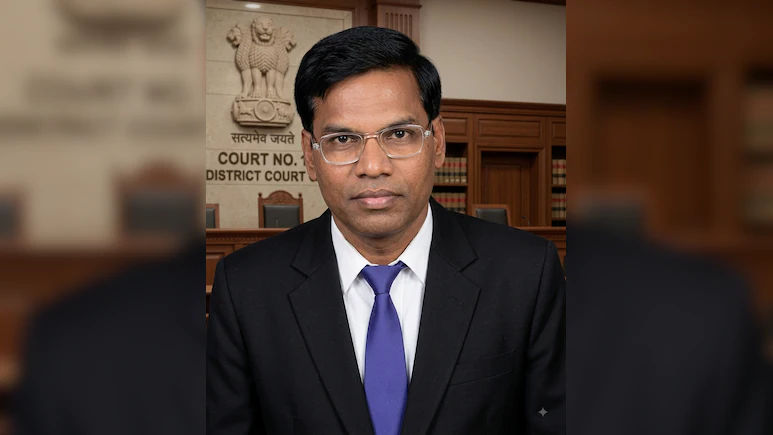
In the spotlight for his ‘prolific’ record is a judge from UP’s Muzaffarnagar.
Additional District and Sessions Judge Ravi Kumar Diwakar handed the 10 death sentences between April and August at Fast Track Court No. 3, where he has been posted since November 2025, reported PTI.
Compare these figures with just 28 death sentences in 20 cases in UP’s trial courts during the entire 2025, and you will know why the Muzzafarnagar judge stands out from the rest.
Diwakar’s death sentences include cases involving murder of a lawyer, a home guard, a farmer and a highway robbery-murder.
Three people were sentenced to death in the murder of lawyer Sameer Saifi on April 6, followed by four in a murder case on April 28. Two people were sentenced to death on June 20, one received maximum punishment on July 2, two on July 6 and four on July 17. The remaining six death sentences were delivered in August.
Capital punishment debate revived
The frequency of Diwakar’s rulings has revived discussion around the awarding of capital punishment. Under the ‘rarest of rare’ doctrine, death penalty is meant to be reserved for the most exceptional cases.
The Square Circle Clinic’s 2025 report recorded 128 death sentences across India, with Uttar Pradesh accounting for the highest number of cases at 28.
However, there is a significant gap between death sentences imposed by trial courts and those ultimately confirmed by higher courts.
The 46-year-old Diwakar was appointed as a civil judge in 2009. He served in several districts of Uttar Pradesh, including Sultanpur, Budaun, Varanasi and Bareilly, before his current posting in Muzaffarnagar.
Gyanvapi fame
Diwakar first came into spotlight in 2022 when, as a civil judge in Varanasi, he ordered a videographic survey of the Gyanvapi mosque complex, a case which was one of the most closely-followed religious disputes.
Diwakar, who received malicious calls and death threats from international numbers following the Gyanvapi order, again made headlines in March 2024 when he referred to UP Chief Minister Yogi Adityanath as an example of Plato’s ‘philosopher king’ in an order related to the 2010 Bareilly riots. The Allahabad High Court later expunged those remarks.