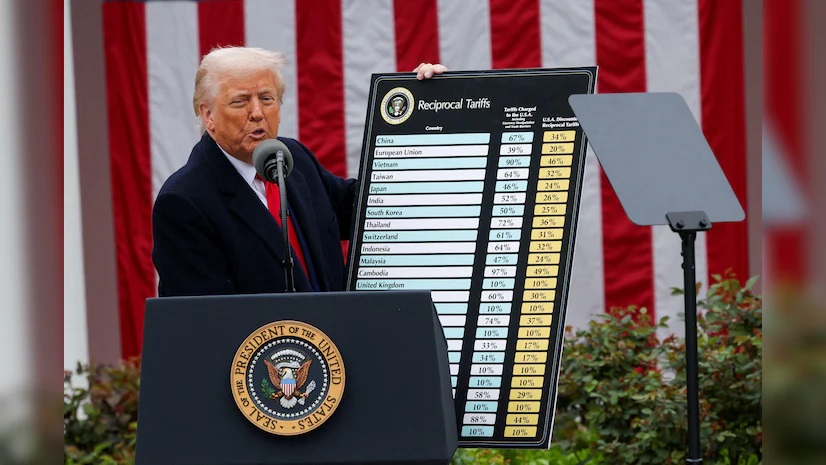
New Delhi: The Donald Trump administration has doubled down on trade restrictions with India. Starting Wednesday, August 27, an additional 25% tariff came into effect on Indian exports to the US, taking the total levy to 50%.
Senior White House officials weighed in on the move. Treasury Secretary Scott Bessent admitted that ties between India and the US are “complicated,” but voiced optimism that both sides would eventually find common ground.
Economic Advisor Kevin Hassett, however, took a sharper line. He noted that negotiations are bound to face “ebbs and flows,” but warned that if India refuses to open its markets, the US President is unlikely to soften his stance. He also accused India of “intransigence” in trade talks.
Sectors Under Pressure
The steep tariffs are expected to hit several Indian export-dependent sectors hard:
Textiles & Apparel: Among the worst affected. The US accounts for nearly 15% of India’s textile exports, valued at over $118 billion in 2024. Companies like Gokaldas Exports, Indo Count Industries, Pearl Global, KPR Mill, Arvind, and Welspun Living could see significant revenue pressure, with 25–70% of their topline linked to the US.
Seafood & Shrimp Feed: Firms such as Avanti Feeds, Apex Frozen Foods, and Waterbase derive 50–60% of their sales from the US market. These stocks fell as much as 6% following the tariff announcement.
Gems & Jewellery: Another major export segment vulnerable to higher tariffs.
Chemicals: Exposure varies, but companies like SRF, Navin Fluorine, and Galaxy Surfactants remain on watch. Notably, the US contributes 12% of SRF’s revenue, while exports make up 65% of Navin Fluorine’s topline.
Exporters are already feeling the heat. Pearl Global’s MD, Pallab Banerjee, told CNBC-TV18 that US buyers are demanding 15–20% discounts to offset the tariffs, or are pressing companies to shift production elsewhere. He warned that with half of Pearl Global’s garment business dependent on the US, the move could redirect nearly $6 billion worth of exports and threaten lakhs of jobs in India.
The stock market reflected the anxiety. Textile exporters slipped between 1.5% and 5% intraday, though some recovered from initial lows. Seafood players, however, bore sharper losses, with declines of up to 6%.