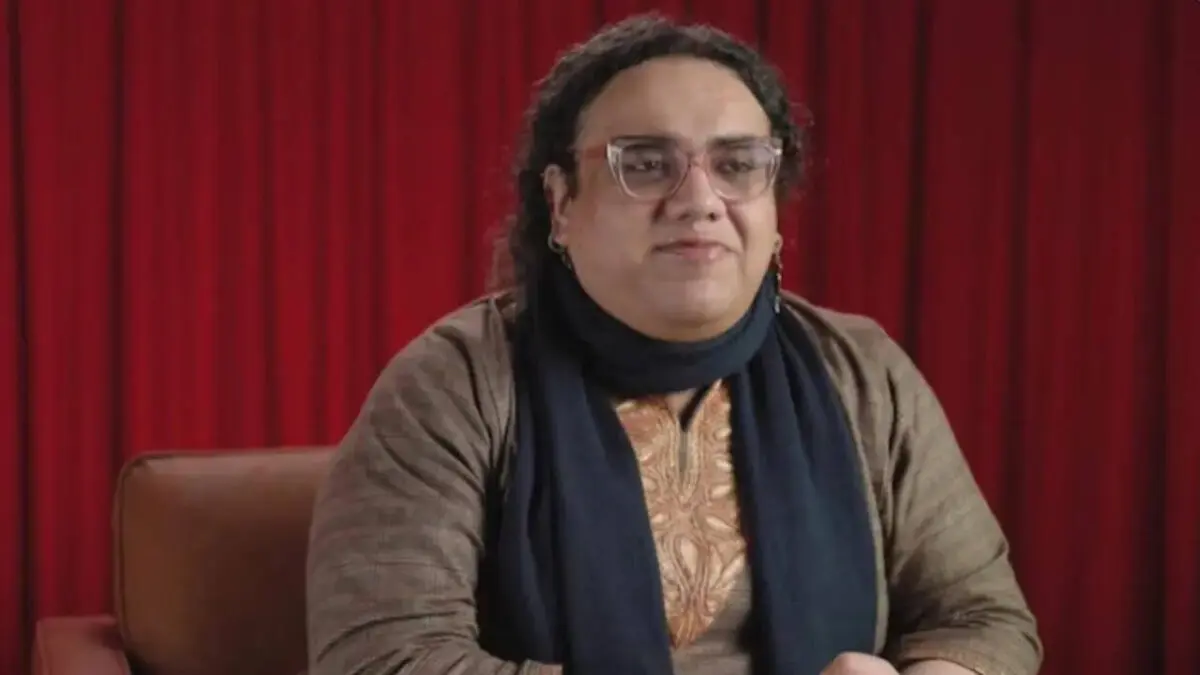
Karachi: Transgender activist Hina Baloch’s recent remarks on sexuality in Pakistan has stirred a hornet’s nest.
During a conversation on the Queer Global YouTube channel, Baloch said it was an “open secret” in Pakistani society.
“I believe that more than half of Pakistan is quite gay actually. They don’t want to just say it out loud, but I guess 80% of Pakistan is gay and the remaining 20% are bisexuals, so I don’t think that anybody is straight in Pakistan in terms of their sexuality,” the Pakistani transgender activist said, triggering shock and igniting widespread discussions and debate online.
Baloch, who was raised in Karachi, argued that societal norms often compel people to suppress or deny their sexual identities. “They will deny it, they will bring religion into it, they will bring culture into it, but this is an open secret. Nobody’s straight in Pakistan,” Baloch quipped, reflecting on her experiences growing up.
Sh
e shared that her struggles were more about gender expression than sexuality itself. “What I was worried about was how to apply lipstick and not get lots of sh*t from the family for that. How do I get to dress feminine, wear jewellery and not get the beatings?” she said.
Highlighting systemic challenges faced by the Khawaja Sira community in Pakistan, Baloch noted that many individuals are forced into restrictive and, often, exploitative forms of livelihood like begging, dancing, or sex work. Baloch was determined to avoid such limitations, and hence became actively involved in advocacy and grassroots organising for gender and minority rights.
She co-founded Sindh Moorat March and participated in Pakistan’s Aurat March, emerging as a prominent voice for transgender rights.
Baloch spoke about severe backlash she faced, including alleged kidnapping and abuse by law enforcement authorities after raising a Pride flag at a protest.
In view of the rising threats, Baloch left Pakistan after receiving a scholarship at SOAS University in London, where she pursued Gender Studies.
She currently resides in East London, and is preparing for a PhD.
Despite leaving Pakistan, she has not been completely safety as the UK asylum system is “difficult and isolating”. Baloch even compared its environment at times to the control she experienced back home.