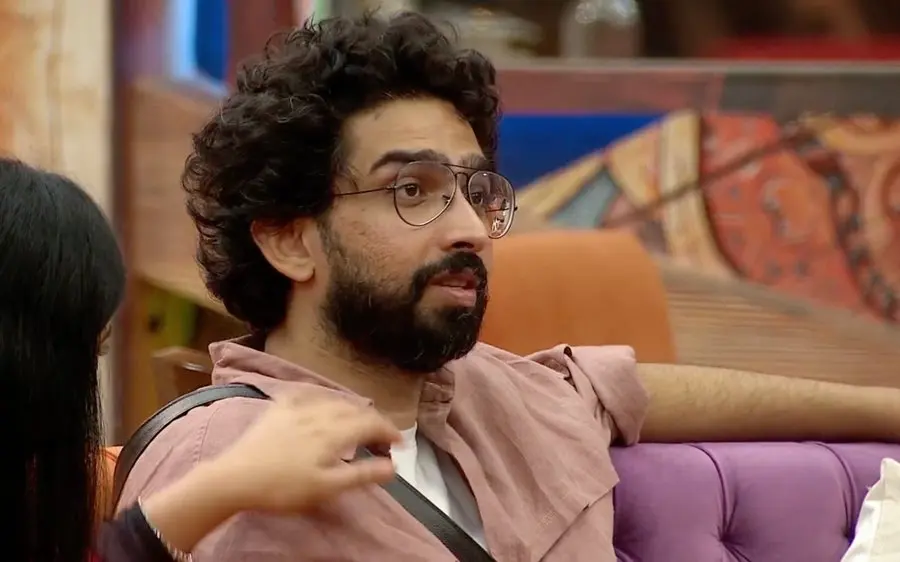
Mumbai: Singer-music composer Amaal Mallik, talking about the economics of Bollywood music industry, revealed that he lost 45 films after he spoke about rights and credits.
Amaal further disclosed that while his song ‘Sooraj Dooba Hai’ earned Rs 70 crore for music labels, he got nothing.
In an interview with PinkVilla, the music composer revealed, “I got nothing except publishing rights, which are negligible, not even close to Rs 1 crore.”
Amaal believes the absence of rights limits an artist’s ability to create meaningful impact. “I want to make money to help people. That can only happen if I have rights or equal rights. Film music doesn’t give you that.”
He explained, “Sixteen years later, I just bought a car for myself. I’ve never done anything for myself, it’s always been for people around me.”
Drawing a comparison with the South Indian film industry, Amaal highlighted, “There are composers in the South earning Rs 10-15 crore while retaining rights. In Hindi cinema, composers get Rs 2-3 cro
re and give everything up.”
“Money facilitates people with good intentions. If I want to help others, I need that financial freedom,” he explained.
Describing an industry culture that discourages questioning, he said, “Everyone works in a straight line. Nobody asks why things can’t be structured differently or why credits can’t be fairer.”
“No one can ever say I denied them credit on my songs,” he insisted.
Pointing out how India lags behind global standards, he said, “In the West, crediting systems are far more transparent. Here, even lyricists’ names disappear.”
Recalling that even senior writers had to fight for basic recognition, he said, “Lyricists like Amitabh Bhattacharya, Kausar Munir and Manoj Muntashir had to make a video just to demand proper credit.”
Admitting that taking such stands comes with professional consequences, he shared, “There were times when I’d start work on a film in the morning and be fighting a court case by evening. In the last five years, I was dropped from 40–45 films.”
Pointing to the lack of clarity around song selection and rejection, Amaal said: “You give 15–16 options, you and 10 other composers put your heart into it, and then songs are rejected without explanation. There’s no transparency.”
Despite the struggles, Amaal credits audiences for keeping his music alive. “Even when I wasn’t visible, my songs continued to live on,” he said.