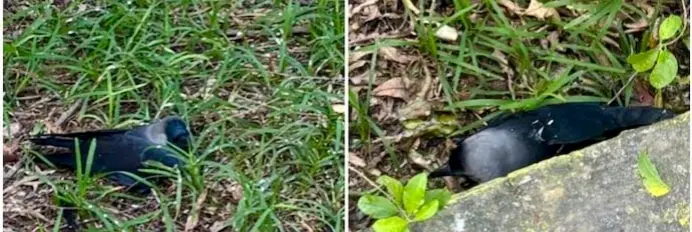
Chennai: With an outbreak of avian influenza (H5N1) having been confirmed in Chennai, experts have asked people to exercise caution and keep a watch on birds – both wild and domestic – while ensuring hygiene.
Suspicions of bird flu arose after several hundred crows were found dead across Chennai recently. Now that confirmation has come in, an advisory has been issued to the public as health authorities move swiftly to contain the outbreak.
It has been directed that all carcasses of crows and poultry be either incinerated or deeply buried in accordance with biosecurity protocols to curb further transmission.
The public has been strictly advised against touching or handling dead birds and urged to promptly alert local authorities about any fresh sightings, as reported by India Today.
The Union ministry of animal husbandry has also written to the Tamil Nadu Chief Secretary, calling for immediate and comprehensive field surveillance to contain the outbreak.
“The positive case for Highly Pathogenic Avian Influenza (HPAI), raises significant concerns about the rapid spread of the virus. The situation demands urgent attention to mitigate risks to both animal and human health. It is requested that the One-Health approach be implemented, integrating the efforts across various sectors, including human health and wildlife, to address t
he issue in a comprehensive manner,” the Union Ministry of Animal Husbandry and Dairying wrote to the Tamil Nadu government.
Experts say that H5N1 is a highly pathogenic strain of the influenza A virus that primarily infects birds. Bird flu can spread rapidly among bird populations, often causing severe illness and high mortality rates.
Human infection can take place through close contact with infected birds or contaminated environments. While such infections are rare, they can get serous. Hence, outbreaks are closely monitored and strict biosecurity measures are enforced to prevent its spread.
Many confirmed human cases have involved serious respiratory illness such as pneumonia, and the case fatality rate reported in past outbreaks has been significantly higher than that of seasonal flu.
Authorities have outlined a series of precautionary measures to curb the spread of bird flu.
These include:
Conducting extensive public awareness campaigns and intensifying field surveillance to track deaths among crows, wild birds and poultry.
Avoiding field post-mortems and sending carcasses to designated Regional Disease Diagnostic Laboratories.
Ensuring that forest officials promptly report bird deaths. States should share the contact details of designated officers for immediate reporting of suspected cases.
Advising the public not to touch dead birds. If unavoidable, gloves must be used and hands washed thoroughly. Proper disposal of kitchen and slaughter waste should be ensured to avoid attracting wild birds.
Restricting entry of outsiders to farms, preventing access by wild birds, limiting worker movement between farms, using footbaths, regularly disinfecting equipment, and maintaining strict hand hygiene.