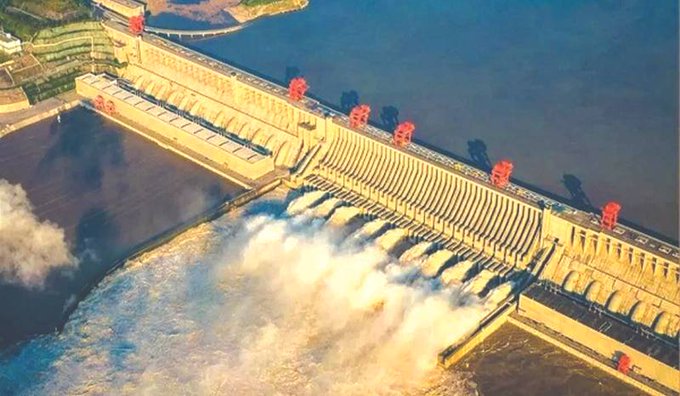
Beijing/New Delhi: China has officially begun work on a colossal hydroelectric project on the Yarlung Tsangpo River—known as the Brahmaputra in India—in the strategically sensitive Tibet region near the Arunachal Pradesh border, sparking fresh geopolitical tensions and water security concerns in New Delhi.
The project, estimated at around $16.7 billion (₹1.39 lakh crore), is among the largest dam constructions ever attempted and will be built in the Medog region of Tibet. Once completed, the dam is expected to surpass the size of the Three Gorges Dam and generate up to 60 GW of hydropower—more than double India’s total hydro output.
India has voiced concern over the unilateral nature of the move, especially since the dam lies just 30 km from the Indian border. Experts in India warn that the project could pose a “water bomb” threat, altering the flow of the Brahmaputra, which is a critical water source for northeastern India and Bangladesh.
The move comes amid the absence of a formal water-sharing treaty between China and India. While China claims the dam will be used solely for power generation and will not affect downstream flow, India remains skeptical, especially given the history of border tensions and trust deficits.
Strategic analysts have said the dam could give China leverage over India during future conflicts, as controlling water flow to the northeast could impact agriculture, biodiversity, and local livelihoods. The dam also raises ecological and seismic concerns due to its proximity to a tectonically active zone.
India is expected to raise the matter diplomatically and may also increase its own dam and infrastructure initiatives in the border region to counterbalance China’s moves.