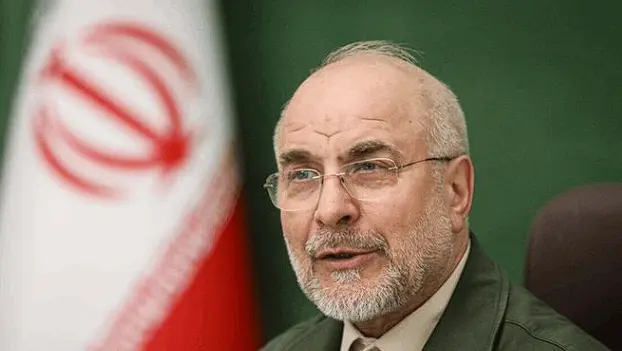
Tehran: Iran’s parliamentary speaker, Mohammad Baqer Ghalibaf, warned on X on Monday that “every choice has a price, and the bill comes due,” saying the US naval blockade of Iran and a surge in Israeli strikes in Lebanon are clear signs that Washington is not upholding the ceasefire.
Ghalibaf, who has repeatedly said Tehran will judge guarantees by deeds rather than pledges, added in earlier posts that Iran will not take action unless the other side moves first. His remarks underlines Tehran’s insistence that words alone are insufficient to rebuild trust, as reported by The Economic Times
The United States announced a naval blockade of Iran on April 13, 2026, after the Islamabad talks collapsed. According to US Central Command, the blockade — aimed at vessels bound to and from Iran — has so far led to the seizure of three ships and the intercepti
on of 33 others. US officials say the measures are inflicting roughly $500 million in losses on Iran each day.
Iran has portrayed the US counter-blockade as a potential “prelude to a violation of the ceasefire.” Both Iran and the US have maintained their respective blockades since the talks broke down. Tehran’s core demands for any agreement include ending the US naval blockade, resolving nuclear-related issues, and securing guarantees for its sovereignty. Iran has also pushed for a halt to hostilities in Lebanon, where a mid‑April ceasefire has failed to stop fighting between Israel and the Iran-backed Hezbollah.
Lebanese security sources reported that Israel carried out more than 120 air strikes on May 27, marking one of the heaviest days of bombardment in recent weeks.
Despite the tensions, media reports last week indicated that US and Iranian negotiators had provisionally agreed to extend the ceasefire and open a new round of nuclear talks over a 60‑day period.
One of the first items slated for negotiation is the disposition of Iran’s stock of highly enriched uranium; the International Atomic Energy Agency (IAEA) says Tehran holds 440.9 kilograms enriched to 60% purity — a technical step short of weapons-grade material.
Even as a potential agreement took shape, the US Treasury Department imposed fresh sanctions on an Iranian military-controlled oil sales establishment, continuing an economic pressure campaign first intensified during the Trump administration.