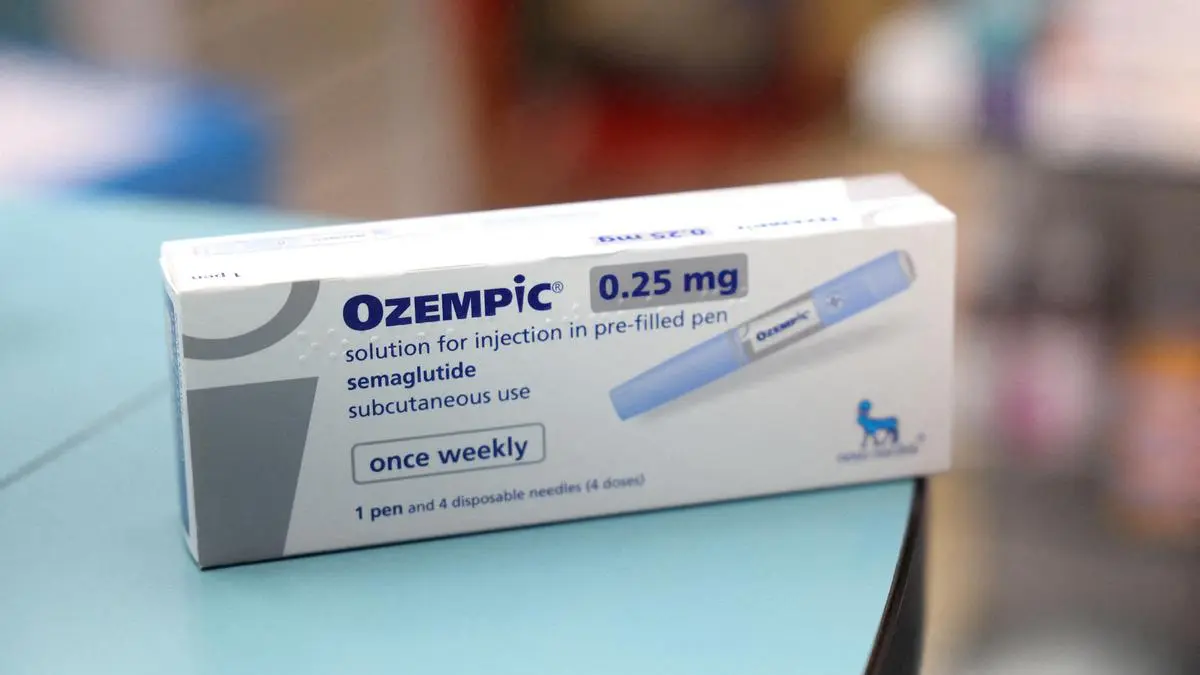
New Delhi: Ozempic, the global blockbuster diabetes and weight-loss drug, is finally in India.
Novo Nordisk India launched the hugely popular drug on Friday with a special “India-tiered” price.
A single pen of strength 0.25 mg, containing four weekly doses, will cost Rs 8,800 inclusive of taxes, which comes to Rs 2,200 per week.
The drug will be available in two more dosage forms — 0.5 mg and 1mg — in a single-use pre-filled pen called Novofine Needles designed for painless subcutaneous injection, Novo Nordisk said.
The 0.5 mg dose is priced at Rs 10,170 and the 1 mg dose will cost Rs 11,175 for four weekly doses.
Compared to its rival drug, Ozempic is much more affordable. Eli Lilly’s Mounjaro starts at Rs 3,200 for the lowest strength weekly dose. Wegovy, Novo Nordisk’s other weight loss drug, starts at Rs 2,700.
“Bringing Ozempic to India is a major milestone. Backed by global trust, proven clinical excellence, and world-class quality, reinforced by a robust supply chain, Ozempic offers Indian doctors an effective treatment choice,” said Novo Nordisk India MD Vikrant Shrotriya.
“Our goal is to provide patients with an innovative and accessible therapy that offers improved glycaemic control, meaningful weight management, and long-term heart and kidney protection — all delivered through a simple, easy-to-use pen device. This once-weekly treatment demonstrates Novo Nordisk’s ongoing commitment to better health outcomes and chronic disease care,” Shrotriya added.
Ozempic was approved by the US Food and Drug Administration (FDA) in 2017 for type 2 diabetes.
Because of its appetite-suppre
ssing effects, the drug has been widely used off-label mainly for weight loss. Ozempic also protects humans from the risk of cardiovascular diseases and kidney issues, Novo Nordisk said.
The big caution
Amid the global hype and great demand among young people, Shrotiya strongly cautioned against unsupervised use.
“Please do not do it. And at least not for weight loss… do not try to medicate yourself. That is a strict no no,” he said.
“When there are 10 people who are taking and they are self-medicating, we do not know what kind of issues can emerge… doctors are well read… It is like going to court without a lawyer. You don’t do that,” Shrotriya said.
India needs to be all the more careful about drug usage as we have one of the world’s largest diabetes populations.
“We have got 100 million people who are diabetic and only half of them know… by the time a person comes to know that they are having diabetes actually half the Beta cells have already died,” Shrotiya said, adding that only 6% of patients achieve optimal glycaemic control.
Among common mild to moderate side effects of Ozempic, primarily affecting the digestive system, are nausea and vomiting; diarrhea; stomach (abdominal) pain or cramps; constipation; burping, gas, or heartburn; fatigue (tiredness); decreased appetite; headache.
According to medical experts, Ozempic can cause more severe health problems, which may require immediate attention.
The most serious alert issued by US FDA is thyroid tumours, including cancer, because Ozempic has been shown to cause thyroid C-cell tumours in animal studies. It is not established that this risk applies to humans.
Inflammation of the pancreas is a rare but serious risk, with symptoms including severe abdominal pain.
The drug can also lead to gallbladder problems and kidney damage in some cases.
There is also the risk of low blood sugar (hypoglycemia), especially in cases where Ozempic is used with other diabetes medications like insulin or sulfonylureas.