New York: August 2026 was the hottest month ever recorded on Earth, according to the European Union’s Copernicus Climate Change Service (C3S).
Alarmingly, the global average temperature recorded last month was 16.96°C, which is 1.65°C above pre-industrial levels and significantly beyond the long-term threshold of 1.5°C set by the Paris climate agreement in 2015.
The eight hottest months on record have all been since July 2023, according to Copernicus data.
The August 2026 average temperature almost tied with the figures recorded in July 2023. Last month (16.96°C) happened to be just one-hundredth of a degree Celsius warmer than the previous record set in July 2023 (16.95°C).
Since the difference is within the uncertainty margin, it is considered to be a tie.
The record heat once again indicates how quickly our planet is warming, driven by a combination of climate change and rising influence of El Niño, pushing heat into the atmosphere across the Pacific.
The 16.96°C global average was 0.85°C above the 1991-2020 average for August, making it the warmest August in the Copernicus record.
Record sea surface temperature too
The heat was not confined to land only.
The average sea surface temperature across the oceans outside polar regions reached 21.07°C in August, the highest recorded for the month.
It matched the highest monthly average for any month, previously recorded in March 2024.
The period from June to August this year saw the joint-hottest three-month period on record globally, matching 2024.
In the United States, August 2026 surpassed temperature records by more than half a degree Fahrenheit. The average temperature for the month was a scorching 75.58°F (24.21°C), with an average daytime high of 88.56°F (31.42°C).
In Western Europe, this summer was the hottest ever, with average temperature reaching 21.69°C — which was 2.54°C above its 1991-2020 average.
“August 2026 was a remarkable month in the global climate record. It was both the warmest August and the warmest month ever recorded, with global temperatures reaching 1.65°C above pre-industrial levels, marking the return of global temperatures above 1.5°C,” Samantha Burgess, a lead at the Climate at the European Centre for Medium-Range Weather Forecasts, told Reuters.
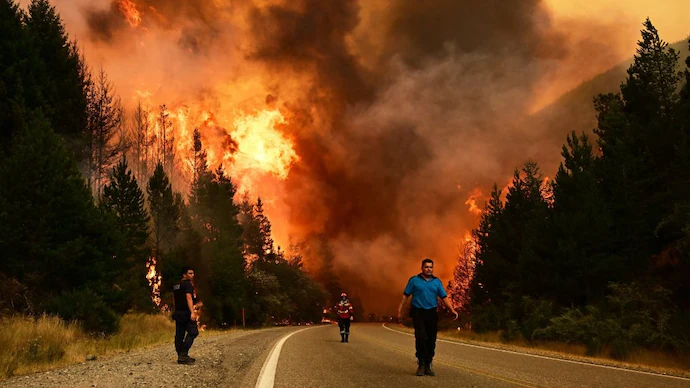
Europe saw repeated heatwaves, widespread dryness, exceptionally low river flows and intense wildfire activity.
France, the UK, Hungary, Romania and Serbia experienced severe drought conditions.
Then came the deadly floods and landslides in Nepal and Tibet, while wildfires surged in parts of Asia and Europe.
Climate change played a role in these events, although the exact contribution is still being studied, said experts.
“We’ve really seen the impact across Europe of how maladapted we are, with roads melting, train lines buckling, schools closing, hospitals completely overwhelmed, and record wildfires for the time of year,” Burgess said.