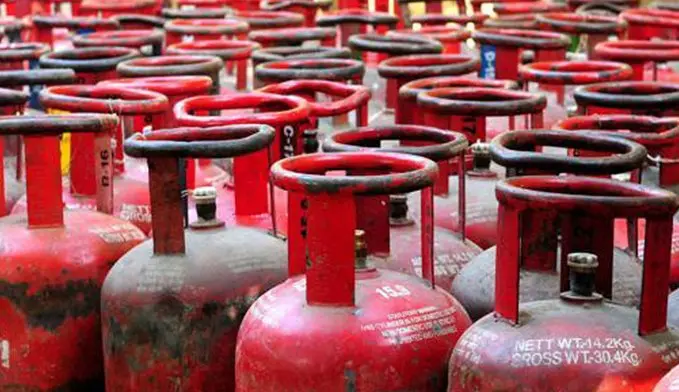
Bhubaneswar: From homes, places of worship to eateries, what’s troubling people all around is the inadequate liquified petroleum gas supply and its increasing demand. The crisis has happened due to the escalations in the countries, which cater to the fuel needs of majority of the world.
But what’s the scene in Odisha? The state has sufficient fuel supplies, said Krushna Chandra Patra, the state’s minister of food supplies and consumer welfare. Whether petrol, diesel or cooking gas, the state is prepared to meet the requirements, the minister gave assurance at a meeting. People in the state have also been advised to not purchase cylinders or stock up fuel in excess. Buying or stocking up out of panic should be avoided, the minister had said.
The government has also stepped-up vigil to stop blackmarketing of the cooking gas. Inspection is being carried out by team of officers from the food supplies department.
Fueling offerings to the God
The shortage has affected the preparation of offerings made to the God in various places of worship across the state. These offerings, which are cooked meals, are not just given to the deities but also served to the devotees or visitors. Many underprivileged people depend on food from these places. While many temples are finding it tough to deal with the inadequate supply of gas, Sri Mandir in Puri is far from being affected.
The cooking of mahaprasad in this Jagannath temple has never been dependent on LPG cylinders. In fact, gas is not allowed in its premises. The me
als are cooked using wood. According to the servitors, the demand for the temple food has increased during this crisis. The number of visitors to the temple’s Anand Bazaar, where the prasad is sold or can be consumed, has increased. The turnout remains high during lunch and dinner hours as most of the eateries or restaurants in the temple city have stopped functioning.
But the situation has affected the ‘abbhada’ cooking at other temples. The shrine of Sambalpur’s deity, Ma Samaleswari, is considering to stop giving prasadam to the people. Another temple in Sailashree Bihar area may discontinue cooking for the devotees or others, who avail the service for some functions. Some temples are turning to other options, mostly the traditional ones, for the fuel requirements to cook prasad.
Kitchens of eateries
Hotels and restaurants are also bearing the brunt. In the twin cities, hotels and restaurants have cut down the items from their food list. Many have stopped serving meat that take longer time for cooking. Some are charging more money for the dishes. At some outlets, the management is mulling over a switch to cooking method that would not need LPG. The civic body or the BMC has also approved the use of alternative fuel at the commercial eating places temporarily. However, owners are hesitant as smoke generating fuel might hamper the look and feel of the facilities. The supply crisis of commercial cylinders have also affected weddings. Caterers are unable to arrange for the feasts.
Cop action
Amid all such developments, police are on its toes to check blackmarketing of cylinders. They have launched drives to intercept hoarders. Arrests were made in Sambalpur and Puri after police foiled attempts to transport illegally hoarded cylinders.
Shutting down of crematorium
The crematorium in Satyanagar in Bhubaneswar has closed its gas chamber for burning of bodies since the past week.