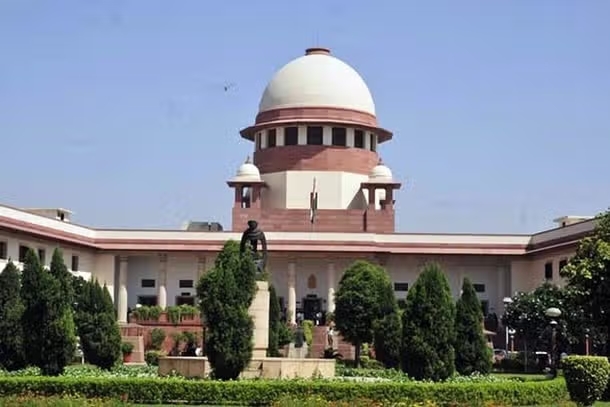
New Delhi: The Supreme Court has dissolved a decade-long marriage dispute, invoking its extraordinary constitutional powers to bring an end to over 80 cases filed between an estranged couple and ordering Rs 5 crore as a one-time settlement for the wife and their two children.
The bench exercised its special powers under Article 142 of the Constitution, stating that the marriage was “dead for all practical purposes” and that the case warranted intervention to ensure “complete justice” and closure to prolonged litigation, reported NDTV.
According to court records, the couple married in 2010 and separated in 2016 after their relationship deteriorated. Since then, they had been engaged in multiple legal disputes, including maintenance claims, custody battles and criminal complaints.
The court noted that the husband,
a practising lawyer, had filed more than 80 cases not only against his wife but also against her relatives and even her legal counsel, which the bench described as vindictive litigation that prolonged the dispute.
To end the prolonged conflict, the apex court:
Granted divorce on grounds of irretrievable breakdown of marriage
Quashed all pending civil and criminal cases between the parties
Awarded custody of the two minor children to the wife with visitation rights for the father
Directed the husband to pay Rs 5 crore covering alimony, maintenance and child support
The court also rejected the husband’s argument that his wife’s educational qualifications relieved him of financial responsibility, stressing that a father’s legal duty toward his children cannot be avoided on such grounds.
The Supreme Court invoked Article 142, which gives it special authority to pass orders necessary to do “complete justice” in exceptional cases, particularly where ordinary legal remedies fail to resolve a dispute. +
Observing that continued litigation would only deepen hostility, the court said ending all proceedings was necessary to bring finality to what it termed a matrimonial conflict of extraordinary proportions.