Dharamshala: China allegedly carried out a severe crackdown in Tibet during the 14th Dalai Lama’s 90th birthday on July 6 this year. The Dalai Lama, the seniormost spiritual leader of Tibetan Buddhism in the world, is in exile in India and the Chinese regularly raise objections to his movement to border states like Arunachal Pradesh.
The Chinese have also not taken kindly to the Dalai Lama’s recent statement that his successor will be selected by a special committee.
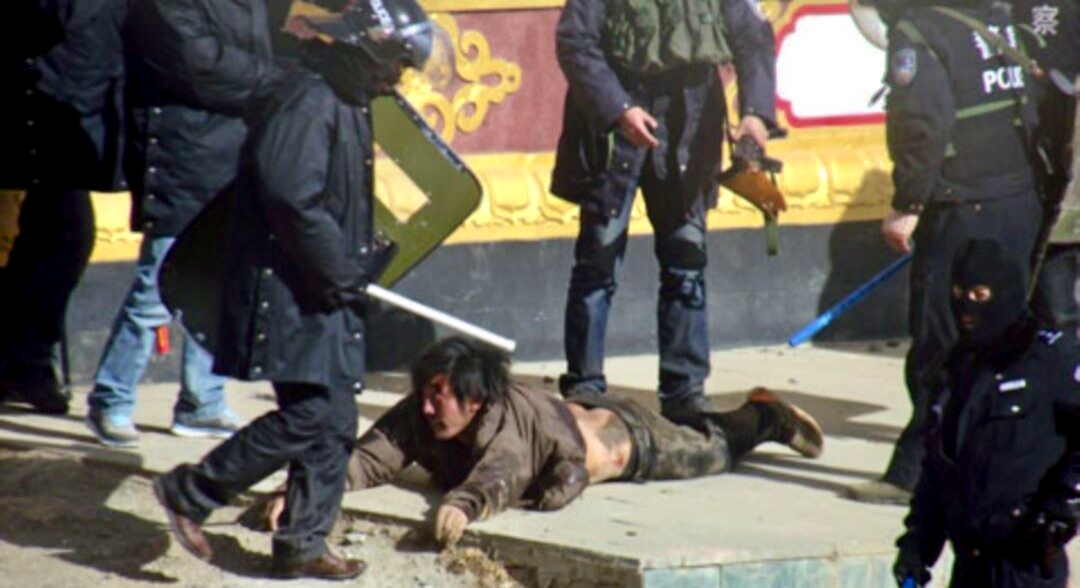
According to news portal Phayul, Chinese authorities not only enhanced surveillance, monitoring the daily lives and communications of Tibetans – especially those in exile – they also arrested people. The Central Tibetan Administration (CTA) has confirmed this.
There was police presence at Karze Monastery, effectively preventing monks and nuns from participating in any public or community celebrations. Officials also implemented strict regulations forbidding households from engaging in Sangsol rituals, which involve offering incense and burning juniper.
Public announcements were made in the Drakgo County, Karze, prohibiting all public gatherings till July 23. Several Tibetans were apprehended and held in Ba Zong and Siling (Ch. Xining) within the traditional Amdo province, with some being detained in county-level state security facilities. Families of those arrested reportedly received no information about their location or condition, ANI has quoted Phayul as saying.
“In July 2025, Chinese authorities initiated a forceful crackdown that commenced on July 13, focusing on Ngaba Kirti Monastery in Ngaba County, Taktsang Lhamo Kirti Monastery in Dzoge County, and Gyalrong Tsodun Kirti Monastery in Barkham County, implementing sweeping new restrictions. Officials allegedly ordered monks to eliminate all photographs, writings, and documents associated with the 11th Kirti Rinpoche, Lobsang Tenzin Jigme Yeshe Gyamtso Rinpoche, who is currently living in exile in Dharamshala,” the CTA has said.
Authorities cautioned that any monastery found with such materials would face charges of “political crimes,” a serious accusation in China often leveraged to justify harsh penalties, including lengthy prison terms. The directive also applied to the residences of monks and local Tibetans, banning the retention or display of images of the esteemed spiritual leader in their quarters and homes, Phayul reported.
The Chinese authorities disbanded the Buddhist Educational Administration Committee, a crucial body overseeing philosophical education at the four main Kirti monasteries, accusing it of having ties to the exiled Tibetan spiritual figure, Kirti Rinpoche.
“In the months leading up to His Holiness the Dalai Lama’s birthday, authorities imposed stricter regulations across Tibetan regions in Qinghai Province. Tibetans arriving from abroad were not allowed access to monasteries or to pay their respects, with no official explanation provided,” it has been alleged.
In Yadzi (Ch. Xunhua), Tsoshar Prefecture, located in Tibet’s Amdo region, monasteries were directed to restrict gatherings to no more than five monks. Approximately 200 Tibetans were interrogated regarding suspected ties to birthday celebrations for His Holiness. Furthermore, monks and nuns in numerous prominent Tibetan monasteries were barred from hosting large prayer ceremonies or assemblies, it has been reported.
In Kangtsa (Ch. Gangcha) County, Tsojang (Ch. Haibei) Prefecture in Amdo, Chinese authorities heightened scrutiny on Tibetans celebrating personal birthdays during the year of the Dalai Lama’s 90th birthday. Security personnel carried out identity card checks and instructed residents to submit photographs of their private birthday celebrations to local public security offices.
On July 25, 2025, two Tibetans were taken into custody in Chentsa (Ch. Jianza) County, Malho Prefecture in Amdo. No reasons were provided for these arrests, and the status and whereabouts of the detainees remain unclear, raising concerns over their safety and well-being.
“In Lhasa, the Tibetan capital, and throughout the so-called Tibet Autonomous Region, including Maldrogungkar, a significant presence of armed security forces was noted across the area. In Maldrogungkar, Chinese officials allegedly imposed a ban on the Sangsol ritual,” it has been reported.
“This year’s intensified measures are part of a broader pattern of China’s control over religious life in Tibet, particularly during culturally and spiritually significant dates. It is also a calculated move to cut ties between Tibetans with His Holiness the Dalai Lama with the use of threats and punishments. The ongoing restrictions are emblematic of the PRC’s systematic violation of the International human rights laws, including Universal Declaration of Human Rights and the International Covenant on Civil and Political Rights, as well as its Constitution, that at least on paper, safeguard the right to freely practice one’s religion without government’s interference,” the CTA said.