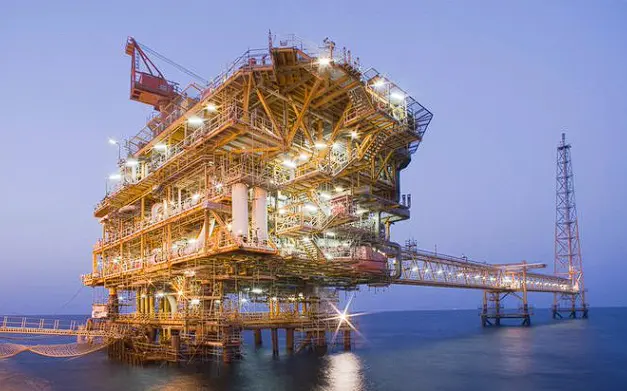
Tehran: Iran has discovered a new gas field in southern Fars province containing more than 7.5 trillion cubic feet of natural gas, Oil Minister Mohsen Paknejad said. The announcement comes as Tehran faces increasing pressure from Washington over its oil and gas trade.
Paknejad said about 5.7 trillion cubic feet of the gas could be recovered. Based on a recovery rate of 73%, he said the amount was similar to one block of Iran’s giant South Pars gas field and could meet the country’s gas needs for around 15 years, Iranian state media reported.
The field also contains gas condensate, a valuable liquid fuel found along with natural gas. Paknejad said the condensate had brought “tens of billions of dollars of new wealth” to Iran.
His statement referred to the possible value of the condensate. It was not an independent estimate of the total value of the newly found gas, as reported by The Economic Times.
Development May Take Time
Paknejad described the gas as “sweet”, meaning it contains fewer impurities and needs less processing. This could make the field cheaper and easier to develop.
However, the discovery will not immediately increase Iran’s gas supplies. The country will need to drill wells, build processing units and connect the field to its gas network. Sanctions, a lack of investment and continuing regional tensions could slow down the work.
Iran’s gas production before the war was estimated at about 650 million cubic metres a day, or nearly 8.4 trillion cubic feet a year. The country is also trying to restore production after damage to several energy facilities.
The problems at South Pars show the difficulties facing Iran’s energy industry. Touraj Dehghani, head of Pars Oil and Gas Company, said the Phase 14 refinery had regained about 70% of its production capacity after being damaged during the “12-day war”.
Three damaged production trains were repaired in less than 10 days. The fourth is expected to return to service by the end of the Iranian calendar year. Dehghani said the third and fifth South Pars refineries were also being rebuilt. Although the repairs were initially expected to take three years, the company now hopes to complete them within two years.
Hormuz Increases Pressure
The discovery comes as the United States prepares more measures against Iran. President Donald Trump has called the campaign an “Economic D-Day” and said Washington has “very draconian sanctions” available.
US Treasury Secretary Scott Bessent has warned of the “toughest sanctions in history” and urged other countries to isolate Tehran.
Iran has threatened to stop oil exports from the Gulf if the pressure continues. This has increased concern over the Strait of Hormuz, a key route for global oil and gas shipments.
The new field could strengthen Iran’s energy position, but its value will depend on whether Tehran can develop it, repair damaged infrastructure and sell the gas despite sanctions and regional uncertainty.