Tehran: Iran said on Tuesday it would not meet with senior US envoys who travelled to the region after a fresh wave of hostilities, dimming prospects for a durable peace between the two nations, Reuters reported.
Iranian officials added that the parties must first resolve the practical details of the ceasefire they signed two weeks ago before moving on to more sensitive issues, including potential restrictions on Tehran’s nuclear programme.
The remarks highlighted wide gaps over core elements of the tentative framework. Under that plan, Iran would loosen its chokehold on the Strait of Hormuz in return for financial incentives, while negotiators would have 60 days to try to hammer out a lasting peace accord.
The White House said Jared Kushner, President Donald Trump’s son-in-law, and envoy Steve Witkoff had flown to Doha for what it called “high level” discussions, but Iranian leaders and host Qatar said they would meet only with mediators rather than with US representatives directly.
Qatar said Prime Minister Sheikh Mohammed bin Abdulrahman al-Thani was among those who met Witkoff and Kushner.
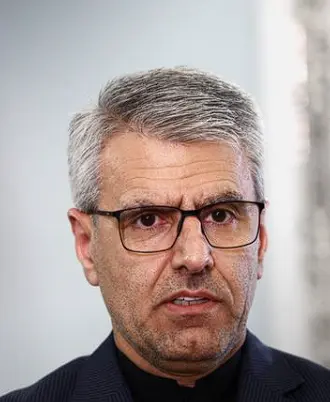
“No meeting at any level with the American side has been scheduled for the coming days,” Iranian Foreign Ministry spokesperson Esmaeil Baghaei said.
Qatar’s foreign ministry spokesman, Majed al-Ansari, said lower-level technical talks between the countries were expected to begin.
Iran To Impose Hormuz Tolls In August
Maritime traffic has partly resumed through the Strait of Hormuz, which before the war handled about one-fifth of the world’s oil and liquefied natural gas exports.
But Iran
ian officials insist they, alongside US ally Oman on the strait’s opposite shore, have the right to regulate passage and plan to start charging tolls in mid‑August when the 60‑day negotiation window closes.
“The sovereignty of the Strait of Hormuz lies with Iran and Oman, and traffic in the Strait is subject to arrangements determined by Iran,” Iran’s chief negotiator, Mohammed Baqer Qalibaf, said on state television.
Vance: No Tolls On Hormuz
US Vice President JD Vance told The Michael Knowles Show that Iran would be barred from imposing fees on ships using the international waterway, saying, “This is not going to end in a place where the Iranians are collecting tolls on ships going through the Strait of Hormuz.”
Vance, in an interview recorded on Monday and released on Tuesday, also asserted that oil flows through the strait had returned to pre-war levels and on some days surpassed them, although he did not provide supporting figures.
Oil Prices Eases
Even with that uncertainty, oil prices have retreated since the weekend, when US strikes hit Iranian military sites after drone attacks targeted commercial vessels and Iran launched strikes on U.S. military positions in Kuwait and Bahrain.
The UN trade and development agency warned on Tuesday that weaker economies could still face pressure from higher food and fuel costs even if energy markets show signs of easing.
Trump Under Pressure
The conflict has driven global inflation higher and increased political pressure on Trump ahead of November’s midterm elections, which will decide control of Congress. Trump and Treasury Secretary Scott Bessent have both pushed gasoline retailers to cut pump prices.
Hezbollah Ceasefire Shaky
The interim arrangement between Washington and Tehran also envisions an end to fighting between Israel and the Iran‑backed militant group Hezbollah in Lebanon.
But Nabih Berri, Lebanon’s influential parliament speaker and a Hezbollah ally, raised doubts about a separate US‑mediated framework aimed at stopping the Lebanon‑Israel fighting.
Analysts warned the package could cement a deadlock by making any Israeli pullback from southern Lebanon contingent on Hezbollah disarming.