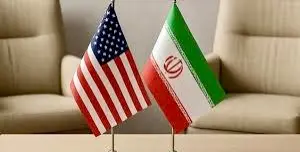
Geneva: Iran expressed optimism Tuesday after US talks in Geneva, claiming agreement on “guiding principles” for a nuclear deal to avert conflict, but Vice President JD Vance said Tehran failed to acknowledge Washington’s key red lines, agencies reported.
Omani-mediated discussions involved Iranian Foreign Minister Abbas Araghchi, Trump’s envoy Steve Witkoff, and Jared Kushner, focusing on curbing Iran’s nuclear programme amid recent US military buildup. The talks followed Iran’s crackdown on mass demonstrations and Supreme Leader Khamenei’s warning of sinking a deployed US warship if diplomacy fails.
Iran’s Supreme leader had warned earlier in the day that the country had the ability to sink a US warship recently deployed to the region, after President Donald Trump alluded to “consequences” should the two sides fail to strike a deal.
“Ultimately, we were able to reach broad agreement on a set of guiding principles, based on which we will move forward and begin working on the text of a potential agreement,” Foreign Minister Abbas Araghchi told State television after Tuesday’s talks, which he described as “more constructive” than the previous round earlier this month.
He added that once both sides had come up with draft texts for an agreement, “the drafts would be exchanged and a date for a third round (of talks) would be set”.
In Washington, Vance also appeared to indicate that the United States preferred diplomac
y but painted a more mixed picture.
“In some ways, it went well; they agreed to meet afterwards,” Vance said in a Fox News interview.
“But in other ways, it was very clear that the president has set some red lines that the Iranians are not yet willing to actually acknowledge and work through,” Vance told “The Story with Martha MacCallum” programme.
“We’re going to keep on working it. But of course, the president reserves the ability to say when he thinks that diplomacy has reached its natural end,” Vance said.
Iran for years has been seeking relief from sweeping sanctions imposed by the United States, including a US-imposed ban on other countries buying its oil.
Omani foreign minister Badr Albusaidi said the two sides had made “good progress”, but likewise cautioned “much work is left to be done”.
Washington has ordered two aircraft carriers to the region as it piles on pressure. The first — the USS Abraham Lincoln, with nearly 80 aircraft — was positioned about 700 kilometres (435 miles) from the Iranian coast as of Sunday, satellite images showed.
Its location puts at least a dozen US F35s and F18 fighter jets within striking distance. A second carrier was dispatched over the weekend.
“A warship is certainly a dangerous weapon, but even more dangerous is the weapon capable of sinking it,” Supreme leader Khamenei said in a speech Tuesday.
Iran has insisted the talks be limited to the nuclear issue, though Washington has previously pushed for other topics to be discussed, including Tehran’s ballistic missiles programme and support for armed groups in the region.
Iran has also sought to display its military might, with its Islamic Revolutionary Guard Corps beginning a series of war games Monday in the Strait of Hormuz to prepare for “potential security and military threats”, state television said.