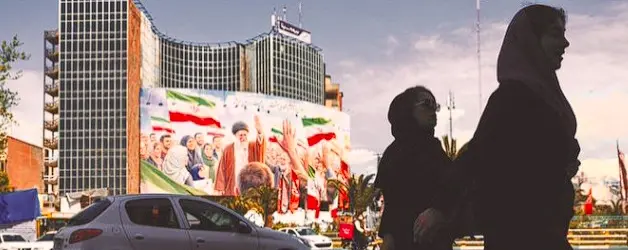
Dubai: Amid efforts to reclaim daily routines following US and Israeli airstrikes and January’s brutal protest suppression, Iranians confront mounting dread over airstrike devastation, internet shutdowns, and a crumbling economy. Negotiations to prolong a truce and halt the war keep businesses, eateries, and state facilities operational.
Bright spring days draw families to parks for picnics, youth to sports fields, and crowds to roadside cafes. Still, economic collapse simmers below the surface, stoking worries of harsher regime crackdowns and fury at the strikes’ toll. Triggers of January’s widespread demonstrations threaten to intensify.
Iran’s foreign minister confirmed on Friday the Strait of Hormuz remains accessible after a Lebanon ceasefire pact, as US President Donald Trump predicted a swift Iran war settlement.
Post-War Clampdown Looms
“The war will end, but that’s when our real problems with the system begin. I’m very afraid that if the regime reaches an agreement with the United States, it will increase pressure on ordinary people,” a 37-year-old named Fariba, who joined January unrest, said by phone from Iran. “People have not forgotten the regime’s crimes in January, and the system has not forgotten that people do not want it. They are holding back now because they don’t want to fight on a domestic front as well.”
Bombings have claimed thousands of lives according to official counts, including scores at a school on conflict’s opening day. Infrastructure wreckage across Iran foreshadows widespread unemployment. The revolutionary theocracy stands firm, unscathed by bombardment and holding global oil leverage.
“Iranians understood that this war is not going to topple the regime, but at the same time, it’s going to make their lives much worse economically,” said Omid Memarian, Iran analyst at US-based think tank Dawn. “The military is not going to put down their guns. They are going to stay and it’s going to be bloody. It’s going to be costly with no prospect for a better future.”
Reuters spoke on camera with young north Tehran residents this week, adhering to Culture and Islamic Guidance Ministry rules on foreign media. Mehtab, from a private firm who skipped her surname, suggested resilience: “I do not want to say that it is normal but as an Iranian with such a history, it is not very bad. We can live with it.”
Anonymous phone contacts expressed deeper alarm. “Yes, people are enjoying the ceasefire for now – but what comes next? What are we supposed to do with a regime that has become even more powerful?” said Sara, 27, a private teacher omitting her family name or whereabouts.
Few Avenues For Change
January protests saw thousands slain as security forces intervened, spurring Trump’s vow to support Iranians. Though Trump and Israeli Prime Minister Benjamin Netanyahu early voiced hopes of ousting the clerics, such aims dimmed over time.
Crackdown rage initially fuelled anti-regime sentiment, but war weariness soured views, according to Memarian. “I think it became clear for many Iranians that this war is not designed, or is not aimed, at helping the Iranian people.”
North Tehran cafe women, including Mehtab, ignored hijab mandates — gains from 2022 rights protests quashed violently yet yielding laxer dress enforcement.
Hossein Rassam, an independent UK-based Iranian political analyst, highlighted how January demonstrated the regime’s steadfastness against both domestic unrest and external attacks. The conflict has widened internal divisions, yet viable alternatives remain elusive. “This is a moment of reckoning for Iranians because at the end of the day Iranians, especially Iranians inside the country, realise that they need to live together. There is nowhere to go,” he said.
Repression Risks Rise
Fears intensify that post-agreement crackdowns will sharpen. “On the streets, women are going around without the hijab, but it’s unclear whether these kind of freedom will continue after a deal with the United States. Pressure will 100% increase, because once there is peace with Washington, the regime will no longer face the same external pressure,” said Arjang, 43, father of two, in a phone interview with Reuters from north Tehran.
January’s upheaval yielded no concessions and prompted severe internet curbs—hammering trade and severing overseas family ties in wartime. “Even the smallest things like connecting with our family members who live outside the country is impossible,” Faezeh, 47, remarked while playing volleyball with friends in a north Tehran park.
Memarian predicts public frustration will flare post-war, freed from traitor labels. “There is a lot of fire under the ashes,” he said.