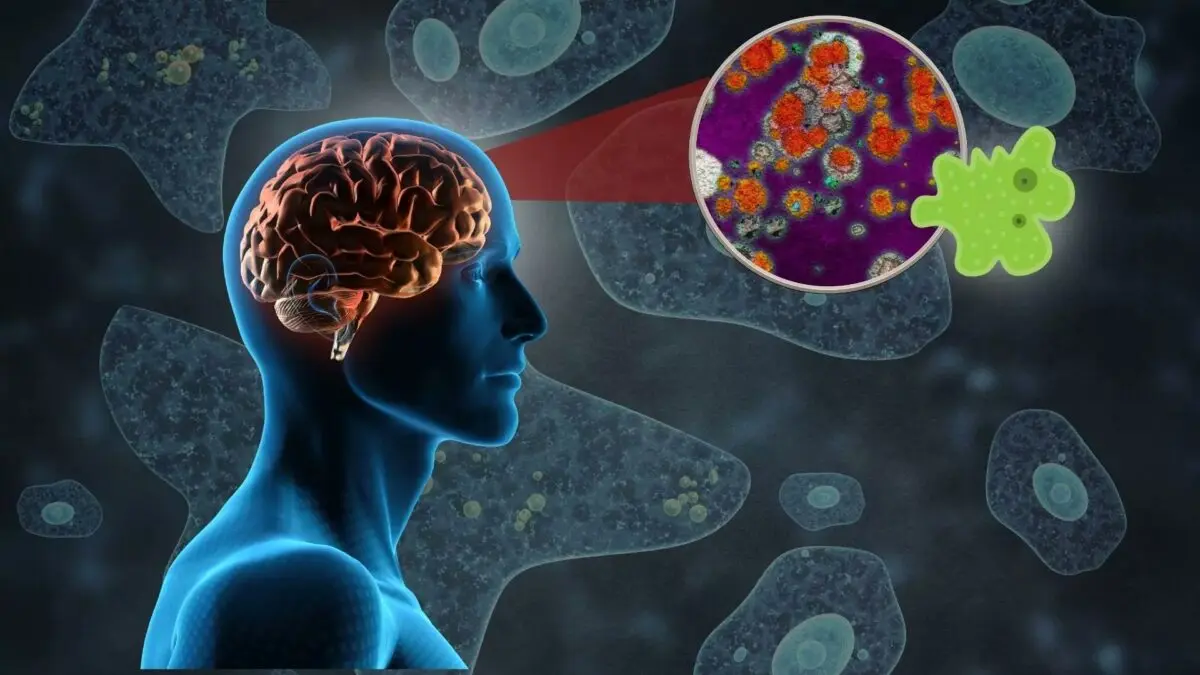
Kochi: Kerala has reported 69 confirmed cases of Primary Amoebic Meningoencephalitis (PAM) this year, of which 19 have resulted in death, the state Health Minister, Veena George, announced. PAM is a very rare but often fatal brain infection caused by the amoeba Naegleria fowleri, sometimes referred to in media as the “brain-eating amoeba.”
According to Minister George, so far in 2025, there has been no cluster outbreak of PAM, though single cases have occurred across multiple districts. She clarified that while clusters were observed in 2024 – particularly linked to shared water sources in districts like Kozhikode, Malappuram, and Kannur – the current year’s cases do not have any single common water source.
Authorities from the Kerala Health Department, in collaboration with the National Centre for Disease Control, have stepped up surveillance in the state. The health ministry has instructed doctors to test every case of meningoencephalitis for possible amoebic infection and to begin treatment immediately upon suspicion.
About PAM
The infection occurs when Naegleria fowleri enters the body through the nose, typically during activities like swimming or bathing in contaminated fresh water. It is not contracted by drinking water.
Symptoms include sudden high fever, severe headache, nausea, vomiting, stiff neck, confusion or disorientation, seizures, and loss of consciousness.