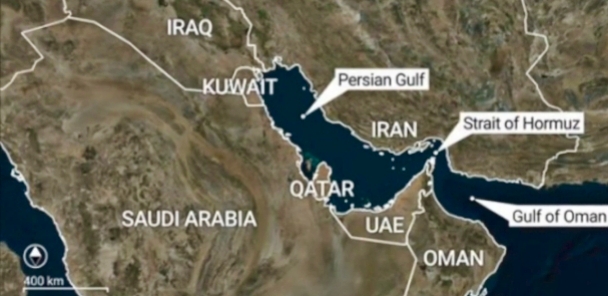
Tehran: Amid escalating tensions in West Asia and the ongoing Iran-US conflict, Iran has formally introduced a permit-and-toll mechanism for ships transiting through the strategic Strait of Hormuz, one of the world’s most critical oil shipping lanes. The new framework, administered by the newly created Persian Gulf Strait Authority (PGSA), requires vessels to seek prior authorisation and submit detailed operational disclosures before entering the waterway, according to Lyod’s List.
According to reports, vessels must complete a “Vessel Information Declaration” form containing over 40 questions related to ownership, cargo, routing and operational details. Tehran has justified the move as part of efforts to regulate maritime security in the Gulf amid the ongoing conflict and sanctions pressure.
Iranian broadcaster Press TV also reported that Tehran had built a “system to exercise sovereignty over the Strait of Hormuz” and that ships passing through the strait were sent “regulations” from the email info@PGSA.ir.
Iran has repeatedly warned that ships linked to the United States or Israel could be denied passage altogether, while vessels from other nations may only be allowed after securing Iranian approval and paying transit tolls. The Strait of Hormuz handles nearly one-fifth of global oil trade, making any disruption a major concern for energy-importing economies.
The permit regime comes as Iran and the US remain locked in a broader confrontation over sanctions, maritime control and nuclear negotiations. Washington has criticised Tehran’s attempts to control passage through the strait, while Iran insists it has the sovereign right to regulate maritime movement in the region.
Nations Reportedly Allowed or Negotiating Passage Permits
According to reports, the following countries have either secured, negotiated or reportedly received passage permissions for their flagged vessels:
India
Pakistan
Malaysia
Philippines
China
Russia
Turkey
France (limited reported transit)
Reports indicate that India and Pakistan were among the first countries to negotiate transit arrangements with Tehran to ensure uninterrupted movement of their energy carriers. Malaysian and Philippine vessels have also reportedly received assurances regarding safe passage. Chinese-linked oil shipments continue to move through the strait under special arrangements, while Russia has maintained diplomatic coordination with Tehran over maritime access.
Iranian officials have simultaneously warned that countries enforcing or supporting US sanctions against Tehran could face restrictions or delays in receiving permit.