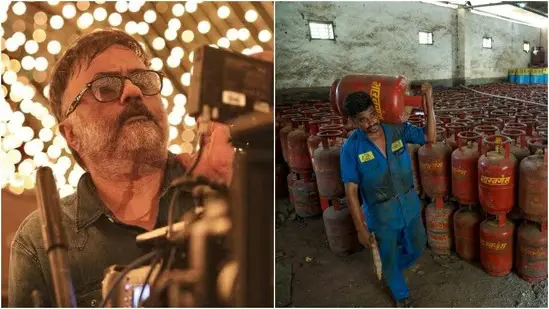
Chennai: Amid the ongoing between US-Israel and Iran, an LPG crisis has hit India, which has not only affected the functioning of hotels and canteens, but the film industry as well.
The Kerala Film Producers’ Association (KFPA) has released a statement saying that the shooting of nearly 18 films may be affected due to the LPG crisis.
“We have stock for two more days. But the situation will turn difficult if it persists,” KFPA president B Rakesh was quoted as saying by The Hindu.
As the shooting of around 18 films is currently underway in Kerala, Rakesh warned that the film industry could suffer major disruptions if cylinders are not supplied in time.
“The total loss estimated for the producers of the 18 movies is around Rs 5 crore, once we are forced to cancel the shooting in view of the crisis. It is not easy to reorgan
ise the entire crew and other logistics, once we have to break the shooting process midway,” he said.
According to an OnManorama report, a staple lunch on a Kerala film set includes rice, chapati, chicken, fish, vegetables and curries, breakfast includes idli, dosa, appam and uppamavu, and dinner menu is rice gruel, lentils, dry fish, chapati, chicken and vegetable curries.
Production controller Sidhu Panakkal mentioned that FEFKA has allocated a standard menu, plus tea and coffee are made available for the crew throughout the day.
Cooking on the film set begins at 3 am, with breakfast for the crew being served by 7.30 am.
As per the report, a single film location requires nearly 5 gas cylinders per day to meet demand.
Caterer Mohan, who serves at Mollywood film sets in Thodupuzha and Kochi, shared that during the shoot, they had to rely on wood as they were unable to reach suppliers for gas cylinders.
Bengal film director Dulal Dey, who is prepping to shoot for ‘Faand’ in Kasba, revealed that the current LPG crisis has forced him to increase his production budget.
Filmmaker duo Suchandra X Vaaniya and Chaandrodoy Pal said the LPG crisis hit them just two days before the shoot of ‘Poroborti Station Begunkodar’.