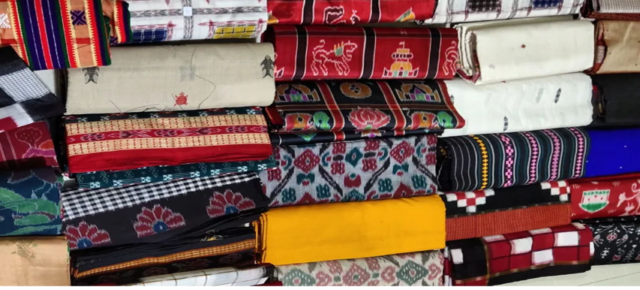
Odisha is home to unique designs in handloom products particularly sarees and dress materials. It has acquired a national reputation over the decades. These days it has reached global markets thanks to e-commerce platforms. Overseas Indians evince immense interest in purchasing Odisha handloom products.
However, making Odisha handloom a global brand requires a multi-pronged strategy that addresses challenges while capitalizing on its unique strengths. Here’s the roadmap :
1. Brand Building and Marketing – Establish a Strong Brand Identity and create a distinct brand for Odisha handloom, emphasizing its unique heritage, intricate tie-and-dye (Ikat) techniques, and the stories of the weavers. The government’s recent appointment of Bollywood actress Madhuri Dixit as brand ambassador is a significant step in this direction.
Digital Marketing and E-commerce: Aggressively leverage digital platforms to reach a global audience including partnering with major e-commerce platforms like Amazon, Flipkart, and international fashion websites.
Developing a dedicated, user-friendly website for Odisha handloom products with high-quality images, detailed product descriptions, and information about the craftsmanship will go a long way towards making it accessible to customers worldwide.
Using social media marketing (Instagram, Pinterest, Facebook) to showcase products, share weaver stories, and engage with potential customers will boost its marketing strategy.
Collaborate with Designers and Influencers: Partner with internationally renowned fashion designers and social media influencers to create contemporary collections using Odisha handloom fabrics is strategic for promoting the brand . This can help introduce the products to new, trend-conscious consumers.
Participate in Global Exhibitions and Fairs: Regularly showcase Odisha handloom at international trade fairs, fashion weeks, and exhibitions may attract buyers, retailers, and media from around the world.
Promote “Handloom Tourism”: Develop “heritage villages” or “craft clusters” that offer a unique experience for tourists, allowing them to witness the weaving process, learn about the culture, and purchase products directly from the artisans.
Product Innovation and Quality Control –
Diversify Product Range: While sarees are the most well-known product, expand the range to include modern apparel like dresses, jackets, scarves, and home furnishings like curtains and cushion covers. This will cater to a wider customer base.
Enhance Quality and Standardization: Implement a robust quality control and certification process to ensure every product meets international standards. The “Odisha Handloom” brand should be a mark of authenticity and quality.
Address Raw Material Issues: Ensure a stable supply of high-quality yarn at reasonable prices to weavers. This could involve establishing advanced dyeing facilities and supporting weavers with access to raw materials.
Combat Counterfeiting: Actively crack down on the production and sale of fake, powerloom-made products cheaply available in the market. The Geographical Indication (GI) tag for specific Odisha handloom varieties should be strictly enforced to protect the authenticity and value of the products.
Empowerment of Artisans and Infrastructure Development –
Skill Upgradation: Provide training programs to weavers on new design trends, modern techniques, and business management to help them stay competitive.
Financial and Institutional Support: Provide access to credit and financial assistance to weavers and cooperative societies. This will help them overcome financial constraints and invest in better equipment.
Infrastructure: Invest in “Common Amenity Centres” and other facilities that provide weavers with modern looms, better working conditions, and shared resources for production, packaging, and marketing.
Foster Youth Engagement: Introduce internship and scholarship programs to attract young talent to the sector, ensuring the craft is passed down to the next generation.
Government and Policy Support – Favorable Policies: The state government’s commitment to prioritizing retail and digital marketing, along with initiatives like “EKTA,” is crucial. Continue to implement policies that provide incentives for exports and support the growth of the handloom sector.
Public-Private Partnerships: Encourage collaborations between the government, weavers’ cooperatives, and private businesses to create a sustainable and profitable ecosystem.
If these points are taken care of by the state government then Odisha handloom will become a global brand in near future and bring laurel to the state.