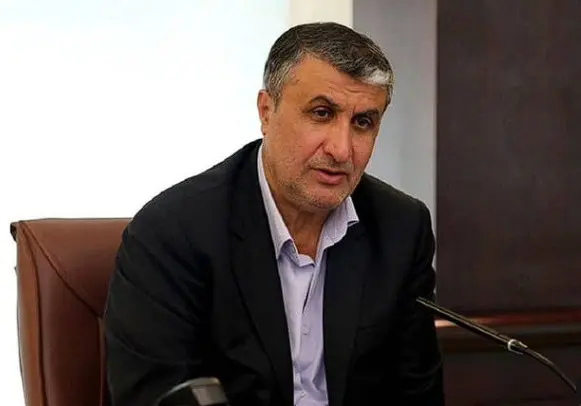
Tehran: Iran’s head of atomic energy on Thursday dismissed demands from the United States and Israel to limit the country’s uranium enrichment, insisting such restrictions “will not come true.”
“The claims and demands of our enemies to restrict Iran’s enrichment programme are merely wishes that will be buried,” asserted Mohammad Eslami, Iran’s official ISNA news agency reported.
The strong statement comes ahead of scheduled peace talks between Tehran and Washington in Islamabad this weekend, facilitated by Pakistan.
Eslami further asserted: “All the conspiracies and actions of our enemies, including this brutal war, have yielded no results. Now they seek to achieve something through negotiations.”
The issue of uranium enrichment has fuelled tension between Iran and the West for more than 20 years. Washington and its alli
es, including Israel, have long accused Tehran of covertly developing nuclear weapons — a charge Iran consistently refutes, maintaining its programme serves peaceful civilian needs.
US President Donald Trump has repeatedly asserted that there will be no enrichment of uranium by Iran following the ongoing conflict. He previously alleged, without corroboration from the UN’s International Atomic Energy Agency (IAEA), that Tehran was accelerating bomb production.
The current war began with US-Israeli airstrikes killing Ayatollah Ali Khamenei on February 28, even as nuclear negotiations were underway. During last June’s 12-day clash, the US and Israel struck Iran’s nuclear sites, and claimed they had dismantled its enrichment capabilities.
However, hundreds of kilograms of highly enriched uranium remain missing post-bombing, believed buried under debris at a destroyed facility. Trump suggested in a recent social media post that Iran and the US could collaborate to “dig up and remove all of the deeply buried” material.
Before last year’s war, Iran had ramped enrichment to 60% purity — exceeding the 3.67% limit of the collapsed 2015 nuclear deal and approaching the 90% threshold for weapons-grade fuel, according to IAEA assessments.