Tehran: Iran’s opposition to nuclear weapons development remains firm and unlikely to change substantially, Foreign Minister Abbas Araqchi stated in an Al Jazeera interview relayed by Iranian media Wednesday. He cautioned that new Supreme Leader Mojtaba Khamenei has yet to publicly outline his position.
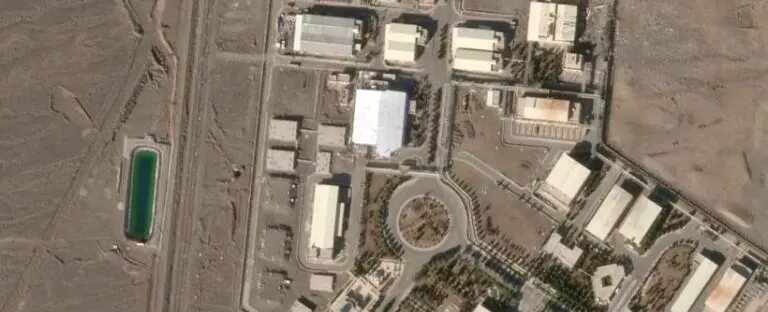
The former leader, Ayatollah Ali Khamenei — killed early in the US-Israeli war against Iran —had prohibited weapons of mass destruction via a fatwa issued in the early 2000s. Despite persistent US and Israeli accusations of a covert weapons programme, Tehran maintains its nuclear activities are strictly civilian.
Fatwas hinge on the issuing jurist’s interpretation, Araqchi explained: “I am not yet in a position to judge the jurisprudential or political views of Mojtaba Khamenei.”
Looking ahead, Araqchi proposed that Gulf-bordering states chisel out a fresh protocol for the Strait of Hormuz after the wa
r ends. This would secure safe transit through the chokepoint — handling one-fifth of global oil and liquefied natural gas — under terms aligned with Iranian and regional priorities.
Iran sealed the strait, vowing it “won’t even allow a litre of oil” to supply the US, Israel, or their partners. Parliament Speaker Mohammad Bagher Ghalibaf tweeted on Tuesday that the strait’s status “won’t return to its pre-war conditions.”
The US is rallying a naval coalition to protect shipping, though most NATO partners reject involvement in operations against Iran. France conditioned participation on a ceasefire and prior Tehran negotiations for a joint international effort.
Araqchi linked any war resolution to a lasting regional end and reparations for Iran’s losses. Addressing Iranian strikes in the Gulf that struck not just US bases but nearby residential and commercial zones, he attributed this to US tactics: “Wherever there were American forces gathering, wherever there were facilities belonging to them, they were targeted. It is possible some of these places were near urban areas.”
While conceding regional nations are “upset and their people have been harmed or bothered” by the fallout, Araqchi laid total responsibility at Washington’s feet for igniting the conflict on February 28.