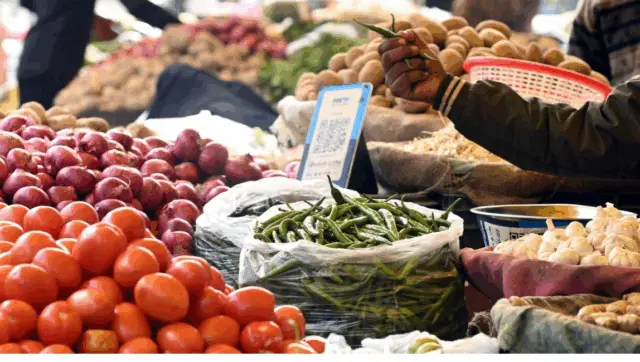
Bhubaneswar: Households across Odisha appear to be hit hard by the impact of inflation with their budgets slipping out of control amid sky-rocketing prices of food items, fuel and other essential commodities.
Reports from different districts show that grocery bills have gone up; vegetable prices soared all over. While prices of rice, pulses, cooking oil and other commodities have sky-rocketed, milk, eggs and other non-vegetarian food, which were a part of the daily diet, now require a second thought due to the price hike.
This apart, there are school expenses, transport, electricity bills, medicines and other, a resident of Bhubaneswar said, adding that calculating the monthly expenses has become stressful.
Notably, India’s retail and wholesale inflation increased in August compared to July, marking the third consecutive month of rising prices. What is more disturbing for Odisha is that the state’s inflation rate remained higher than the national average.
Experts are of the view that the rising cost of essentials could put additional pressure on household budgets during the upcoming festive season if the government fails to take proper policy measures to contain prices.
The impact of inflation can be understood from the rising price of everyday food items. A ‘bara’ that cost around Rs 5 a few days ago is now being sold for Rs 7 to Rs 10 in some places. With the cost of cooking fuel and grocery items going up, food vendors have also increased their prices.
A breakfast plate that earlier cost Rs 25-30 is now being sold for around Rs 35-50. While some vendors have raised prices, others have reduced the size or quantity of the items to cope with increased input costs.
According to the Consumer Price Index (CPI), retail inflation in Odisha climbed to 5.52% in August, higher than the 4.82% national average. Within the state, rural Odisha recorded inflation of 5.90%, compared with 4.47% in urban areas. The inflation has forced families to cut down on their expenses and make compromises.
Most households now are finding it difficult to keep aside money for emergencies, education and healthcare. The squeeze appears to be particularly severe for rural households, as they are also affected by natural disasters and climate emergencies more than people residing in urban centres.
As per the CPI, Odisha ranks fifth among states with a population above 50 lakh in terms of high inflation, behind Telangana (6.27%), Madhya Pradesh (5.55%), Andhra Pradesh (5.53%) and Tamil Nadu (5.29%).
The government aims to keep inflation within the 2-6 per cent range, but the rising prices of essential commodities have increased the financial burden on consumers.
Experts are of the view that the government can initiate some steps in supply chain management to check retail inflation, which will provide some relief to people in the middle-income group.