Bargarh: Debrigarh Ecotourism in Odisha’s Debrigarh Wildlife Sanctuary has achieved a significant milestone in the financial year 2025-26, generating a record revenue of ₹6.02 crore while attracting around 1.4 lakh visitors.
This marks a substantial increase from the previous year (2024-25), when the site earned ₹5.01 crore with 85,000 tourists.
According to DFO of Hirakud Wildlife Division Anshu Pragyan Das, half of this year’s visitors hailed from within Odisha, while the remaining 50% came from other Indian states and 10 countries, including Italy, France, the US, UK and Canada. “They availed jungle safari and night stay. We have received positive feedback from them,” she noted.
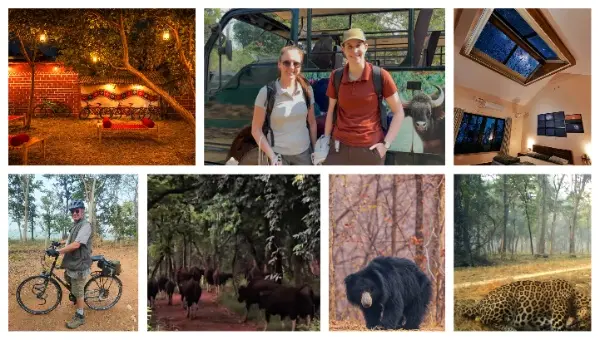
“The surge reflects Debrigarh’s growing reputation as a premier wildlife destination, known for reliable sightings of species such as Indian Bison (Gaur), Leopard, Wild Dog, Sambar, Chital, Sloth Bear, Wild Pig, Peacock, and a diverse array of birds, she added.
New Attractions Drive Growth
The 2025-26 season introduced two key additions: Odisha’s first Forest Homestays at Dhodrokusum Green Village and a unique 2-km Birding Trail. These initiatives enhanced the visitor experience by blending immersive nature stays with specialized wildlife activities. In the prior year, new features like stargazing rooms with glass roofing, an Island Cafe, stargazing sessions, and a wildlife library had already boosted appeal.
Facilities and Experiences
- 25 night-stay rooms, comprising six stargazing rooms and five forest homestays at Dhodrokusum Green Village.
- Jungle and wildlife safaris accompanied by ecoguides.
- Hirakud Reservoir cruises and visits to Bat Island, Cattle Island, and Sunset Island.
- The scenic Island Cafe, set against the sanctuary backdrop.
- Hiking trails of varying lengths (2 km, 5 km, 10 km, and 20 km), trekking with camping options, and kayaking.
- A wildlife library, guided stargazing, and photography tours.
- Community highlights such as Govindpur Birds Village, Dhodrokusum Green Village, Barabakhra Caves, and the Veer Surendra Sai Memorial.
- Additional experiences like cycling, storytelling sessions, a dedicated Birding Trail, and a souvenir shop.
- Dining and hangout spaces with a total capacity of 500 across multiple spots, including Zeropoint and Debrigarh Nature Camp.
The 2-km Birding Trail stands out for its immersive design across forest edges, grasslands, and wetland areas, allowing enthusiasts to identify birds not only by sight but also through their distinctive calls and songs.
Dhodrokusum Homestay: A Community Model
Nestled in the serene Dhodrokusum Green Village, these homestays provide an authentic opportunity to live on the edge of the wild. Guests can enjoy wildlife movements, bird calls, tranquil sunsets, and rural rhythms while staying in eco-friendly accommodations that emphasize clean surroundings and harmony with nature. Fully managed by local tribal women—who often serve as sole breadwinners—the homestays highlight a community-led approach to sustainable tourism.
Community Benefits and Conservation Impact
Ecotourism at Debrigarh serves as a vital link between wildlife conservation and local livelihoods. Approximately 120 families from nearby villages now work as nature guides, safari drivers, boat operators, homestay hosts, and staff. Around 40% of these participants are women, including safari drivers and ecoguides, fostering economic stability and social empowerment close to home.Each participating family earns ₹10,000–15,000 monthly, along with family insurance coverage.
Revenue distribution ensures transparency through cashless transactions via Eco-Development Committees (EDCs): 35% supports community salaries, 25% covers recurring expenses, 10% goes to infrastructure, 10% to village development, and 20% to a corpus fund for training.No forest department staff are directly involved in operations; officials focus on motivation and support, allowing communities to manage the initiative independently.
Strict adherence to carrying capacity guidelines from the National Tiger Conservation Authority (NTCA) and a dedicated Standard Operating Procedure (SOP) since 2025 regulate tourism. This includes a daily cap of 53 safari trips and 340 tourists, nighttime restrictions (6 PM to 6 AM), CCTV monitoring, and camera traps—resulting in improved wildlife sightings with minimal disturbance.
Looking Ahead
Plans for 2026-27 include the addition of 32 new night-stay cottages with 10 more homestays at Dhodrokusum by the end of summer, along with a canopy walk, upgraded safari vehicles, and new boats for cruises, the DFO added.