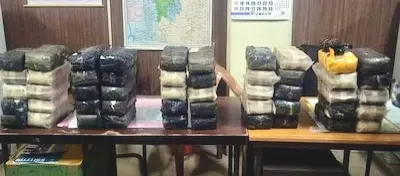
Ahmedabad: Over 2,300 kg of narcotics, seized by various units of the Gujarat Police over 12 years, went missing, a recent report by the Comptroller and Auditor General of India (CAG) has said.
In response, authorities have said that some of the drugs were stolen and the rest “eaten by rats”.
A total of 6,510.54 kilograms of narcotics and 848 bottles were seized by Gujarat Police units, including the CID Crime and Special Operations Group (SOG), between August 2010 and November 2022, it was found in the audit. Discrepancies emerged when comparing the seized quantity with the amount eventually disposed of.
Between October 2022 and July 2023, around 4,177.86 kilograms of narcotics were officially destroyed, the report states. This left an unexplained shortfall of approximately 2,332.68 kilograms — about 35 percent of the total seized drugs.
Police officials attributed the missing quantity to a mix of theft, pest damage, and natural degradation, when questioned by the state home department, as reported by News 18.
Officials, in their submissions, said that nearly 144 kilograms of marijuana had been stolen, while a significant portion of the remaining drugs had alleged
ly been “eaten by rats”.
The officials also cited moisture-related weight loss in substances like marijuana and opium, explaining that these materials tend to shrink as they dry over time.
This response did not seem to satisfy the auditors though. The CAG observed that while minor losses due to environmental factors could be expected, the scale of the discrepancy raises questions about storage practices, accountability, and oversight mechanisms.
Systemic issues in the management of seized narcotics were also flagged in the report. A major concern was the delay in forensic testing, which often prolonged the identification process and hindered timely disposal. Due to this, drugs remain in storage for extended periods, increasing the risk of deterioration, pilferage, or contamination.
The audit also found a lack of standardised protocols for the safekeeping and destruction of seized substances. The absence of clear guidelines and monitoring systems may have contributed to lapses in inventory tracking and physical security.
While the Gujarat government has consistently maintained a zero-tolerance policy towards narcotics and regularly publicises seizure data, particularly along coastal and border regions, there is a critical gap between seizure operations and post-seizure management, the report has highlighted.
The CAG has sought detailed clarifications from the home department on the causes behind the discrepancies. It has also recommended stronger safeguards, including better storage infrastructure, timely forensic analysis, and stricter documentation procedures.