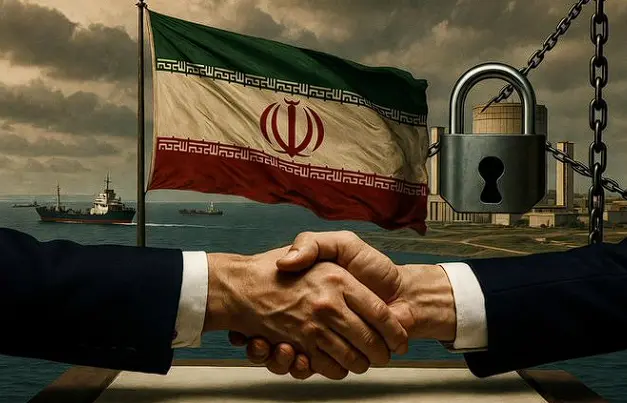
Washington/Tehran: Pakistan, acting as a mediator, handed a revised proposal from Iran to the United States aimed at ending the Middle East war, a Pakistani source told Reuters on Monday, warning that negotiators “don’t have much time” to bridge remaining differences.
Iranian Foreign Ministry spokesperson Esmaeil Baghaei later confirmed Tehran’s views had been “conveyed to the American side through Pakistan” but did not provide further details.
A fragile ceasefire has held since April after six weeks of conflict triggered by US-Israeli airstrikes on Iran, but Pakistan-mediated talks have stalled and US President Donald Trump said the ceasefire is “on life support”.
The Pakistani source declined to outline the contents of the revised proposal. Asked whether closing the gaps would take time, the source said the sides “keep changing their goalposts” and added: “We don’t have much time.”
Sticking points include Tehran’s demand for compensation and guarantees, and U.S. security and non-proliferation demands
Washington has insisted that Tehran dismantle parts of its nuclear programme and end an effective blockade of the Strait of Hormuz, a key route that normally carries one-fifth of the world’s oil and liquefied natural gas.
Iran has called for compensation for war damage, an end to a US blockade of Iranian ports and a halt to fighting on all fronts, including in Lebanon, where Israel is engaged with the Iran-backed Hezbollah militia.
In a post on Truth Social over the weekend, Trump warned that “the Clock is Ticking” for Iran, adding “they better get moving, FAST, or there won’t be anything left of them. TIME IS OF THE ESSENCE!”
Axios reported that Trump is expected to meet top national security advisers on Tuesday to discuss options for resuming military action.
Nuclear Issue Remains Central
Negotiators are also divided over Iran’s nuclear ambitions. The United States and other major powers want assurances that Iran cannot develop nuclear weapons, a point Tehran denies.
Tehran has also sought compensation for war damage, guarantees against further attacks, and the resumption of Iranian oil exports.
Baghaei said Tehran was prepared for all contingencies. “As for their threats, rest assured that we are fully aware of how to respond appropriately to even the smallest mistake from the opposing side,” he told a televised weekly press conference.
Regional Attacks Continue, Markets Wobble
Hostilities have decreased since the ceasefire took effect in April, but Iran-linked drones have continued to target Gulf countries hosting US military bases.
Officials in the United Arab Emirates said one drone strike caused a fire at a nuclear power plant on Sunday, and Saudi Arabia reported intercepting three drones.
Iran increased attacks on the UAE this month after Trump announced — then suspended after 48 hours — a naval mission intended to reopen the Strait of Hormuz.
Global markets reacted to the latest drone activity, with share prices slipping and oil and bond yields rising, fuelling inflation concerns.
Political Pressure Ahead Of US Midterms
The disruption to shipping through the Strait of Hormuz has contributed to the biggest oil supply shock in history, pushing crude prices up by roughly 50% or more.
Some White House officials fear Trump’s foreign policy risks and the resulting impact on US gasoline prices could hurt Republican prospects in November’s midterm elections, when voters concerned about the cost of living may be less receptive to prolonged military engagement.