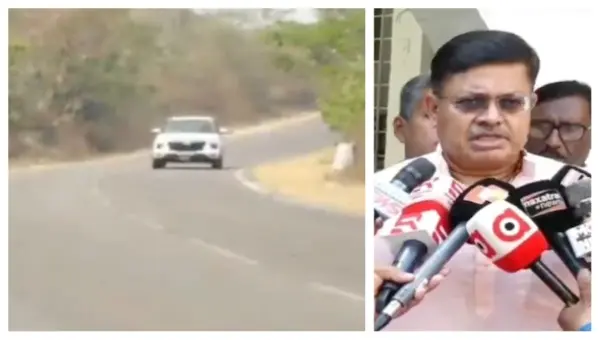
Bhubaneswar: Quick response(QR)-coded sign boards will be installed on state highways to be built in Odisha, Works Minister Prithviraj Harichandan informed on Friday.
“Commuters can scan these QR codes using smartphone and instantly view project details —including contractor names, estimated value, technical specifications, the annual maintenance contract period and defect liability period during which a contractor is responsible for rectifying any defects or issues that arise in the constructed facility at no additional cost,” he told reporters.
This initiative, fostering greater ownership among all stakeholders, is already in use on national highways. Union Minister Nitin Gadkari has mandated QR codes on national highways and YouTube updates for construction progress to enhance transparency and accountability. It will also empower commuters with feedback channels, addressing public concerns over road quality and delays.
Additionally, all new roads in Odisha will be constructed as eco-friendly Green Corridors. “Tree plantation will now be mandatory during the construction of all new highways, district main roads, and other roads built under the Public Works Department across the state,” Harichandan said.
The department has officially communicated this directive to the EIC (Civil & Roads), EIC (NH), and MD, OBCC, instructing extensive tree planting on either side of the new roads and within the median dividers. The primary objective is to create and sustain a green corridor across all state highways.
To support this initiative, new guidelines mandate spending an additional 1 per cent of the road construction cost on tree plantation and subsequent maintenance. “1% of each project’s total cost will be dedicated to planting and maintaining trees, ensuring sustained greenery and ecological balance along Odisha’s expanding road network,” the Minister notd.
This massive afforestation effort is expected to lower air pollution by capturing carbon dioxide and boost oxygen production, dampen noise pollution, stabilise soil to prevent erosion, enhance ambient air quality, and offer vital shade during hot summer.