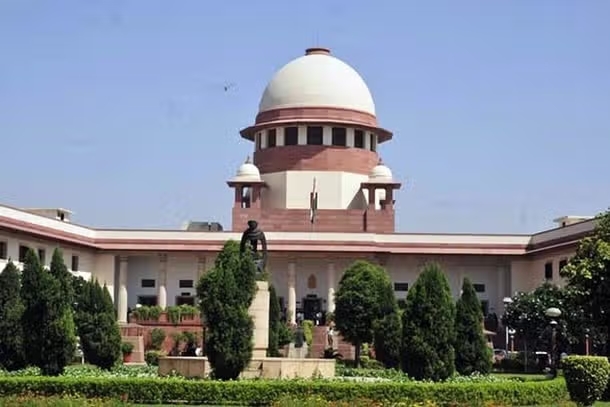
New Delhi: The Supreme Court of India has strongly condemned the recent threats and alleged violent attacks directed at retired Bombay High Court judge Gautam Patel and his family over his 2024 judgment in the Dawoodi Bohra succession case, calling such actions unacceptable and a serious threat to judicial independence.
The matter came before the Supreme Court after repeated complaints that Justice Patel and his family have been facing intimidation, including threatening letters, online intimidation, and even physical assault incidents involving his daughter in the United Kingdom, reported HT.
The controversy stems from Justice Patel’s April 2024 verdict in a long-running dispute within the Dawoodi Bohra community regarding th
e rightful spiritual leadership of the sect. The judgment upheld the succession of Syedna Mufaddal Saifuddin as the legitimate head of the community, a ruling that reportedly triggered strong backlash from certain groups.
The Supreme Court expressed serious concern over the escalation of threats, noting that targeting judges or their families over judicial decisions undermines the rule of law and could have a chilling effect on judicial independence. It emphasized that disagreements with court rulings must be addressed through legal remedies such as appeals, not intimidation or violence.
The threats are said to include warning letters demanding that Justice Patel retract or publicly disown his judgment, along with claims of involvement by organized groups. In one of the most alarming incidents, his daughter was reportedly assaulted in London and later received further threats at her residence.
Authorities in India and the United Kingdom are investigating the incidents, while legal and judicial bodies, including bar associations, have also condemned the intimidation campaign and called for strict action against those responsible.
The case has raised wider concerns about the safety of retired judges and their families, especially in high-profile and sensitive cases, and has reignited debate over the need for stronger protections for members of the judiciary even after retirement.