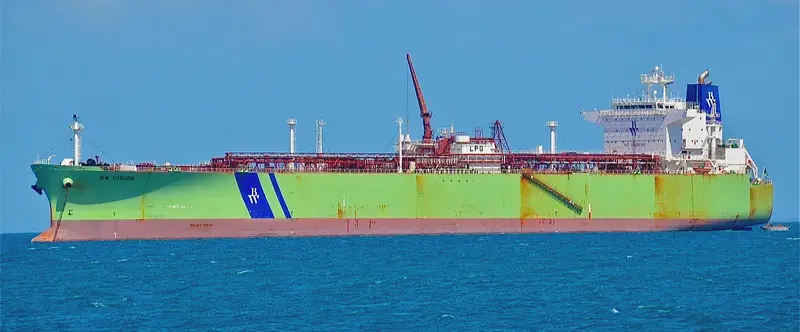
New Delhi: In a major relief for the country facing an LPG shortage, the second Indian tanker carrying the vital kitchen necessity exited the Strait of Hormuz on Saturday.
This is in accordance with a safe passage granted to Indian vessels by Iran through that crucial chokepoint on Friday.
LPG carrier Nanda Devi has successfully exited the Strait of Hormuz and entered open waters, government sources told CNN-News18. This marks another step forward in India’s efforts to safely move its energy cargo through the tense Gulf region.
The vessel is now being escorted by the Indian Navy, which will guide it during the next leg of its journey towards India, sources said. It is expected to reach an Indian port within the next two days, with Mumbai or Kandla to be the likely destination.
MT Nanda Devi is carrying more than 46,000 metric tonnes of liquefied petroleum gas (LPG), govern
ment sources said. The cargo is considered critical for India’s energy supply chain, particularly at a time when shipping movements in the Gulf have faced disruptions due to the ongoing regional crisis.
The news channel had reported earlier that the first Indian LPG vessel, MT Shivalik, had already begun its movement through the Strait of Hormuz after negotiations helped secure safe passage. The ship has since reached open sea and is sailing safely under Indian Navy guidance.
Both ships are being closely guided by Indian naval assets to ensure safe transit through the strategically sensitive waters.
The movement of these two tankers would be prioritised once diplomatic negotiations were completed, government officials had earlier indicated. With both Shivalik and Nanda Devi now out of the strait, authorities are optimistic that the same operational protocol can be followed for other vessels, allowing them to move without major disruptions.
India depends heavily on LPG imports from the Gulf region and this movement through the Strait of Hormuz is crucial to maintain stocks. The safe movement of these vessels demonstrates that a workable mechanism has been established to ensure the secure transit of Indian energy shipments through the vital maritime corridor, officials said.