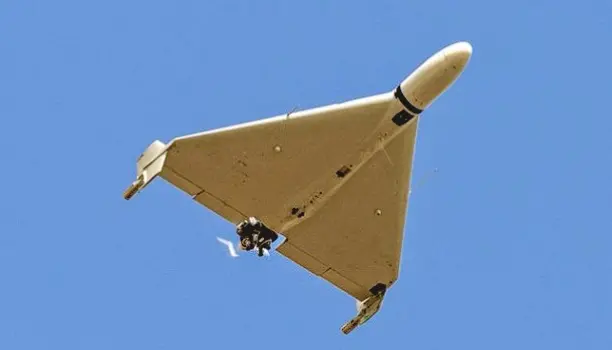
Tehran/Washington: The conflict in the Middle East erupted into chaos late on Sunday when Iranian drones hit US warships in the Sea of Oman shortly after US troops fired on and seized an Iranian merchant vessel. This bold tit-for-tat marks a dangerous surge in Tehran-Washington frictions amid a fragile two-week regional ceasefire.
Iran’s semi-official Tasnim news agency reported the drone assault as immediate revenge for the prior US move on the Iranian-registered freighter. The account skipped specifics on drone count, operation size, or hits on American hardware.
This followed after US forces claimed they opened fire on the Iranian cargo carrier heading to Bandar Abbas before securing it completely. President Donald Trump stated on Truth Social that the ship, named Touska, tried to run a US naval blockade by the Strait of Hormuz.
In his Truth Social update, Trump noted: “Right now, US Marines have custody of the vessel. We have full custody of the ship, and are seeing what’s on board,” while highlighting US Treasury sanctions tied to purported illicit operations.
US Central Command backed the mission details and shared video of Navy teams seizing the vessel.
Iran’s Khatam al-Anbiya headquarters slammed Washington for ceasefire violations, labeling the stop “armed piracy.”
Iran’s command maintained the vessel came from China and accused the US of truce-breaking aggression on merchant traffic.
Tensions have boiled over with new armed naval clashes in the Gulf, stoking alarms of all-out regional war. America’s grab of the Iranian freighter, paired with Tehran’s reprisal threats, ushers in a risky chapter of the standoff.
Meanwhile, Trump further cautioned that the US might hit Iran’s key assets like bridges and power stations should Tehran spurn his conditions. Iran fired back, warning that strikes on its civilian sites would trigger attacks on energy and water plants in Gulf nations sheltering US troops.
The Strait of Hormuz meltdown — a linchpin for world oil flows — keeps snarling maritime trade and inflating fuel costs. Stalled talks and ramped-up sea maneuvers leave the flashpoint teetering on the edge.