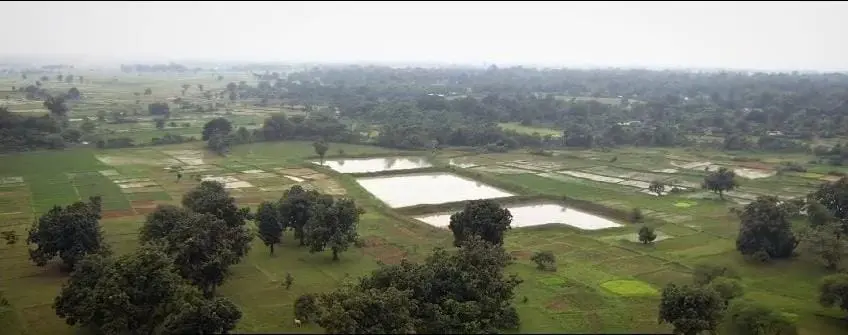
Kalinganagar: The Tata Steel Foundation (TSF) has completed construction of 243 new ponds across Kalinganagar region in Odisha over the past five years, creating lasting water resources that support groundwater recharge and irrigation for farmlands in 28 Gram Panchayats.
The initiative, focused on sustainable development and environmental conservation, has been implemented in Danagadi and Sukinda blocks of Jajpur district.
Of the total, 139 ponds were built in Danagadi block and 104 in Sukinda block. These strategically designed water harvesting structures capture and store rainwater, helping recharge groundwater levels and providing dependable irrigation, especially during dry periods, the TSF said in a release.
“Our efforts reflect a deep commitment to the ecosystem and people of Kalinganagar. This goes b
eyond building structures – it’s about securing a sustainable future, restoring ecological balance, and empowering communities to prosper. We are encouraged by the real improvements we see in people’s lives and livelihoods,” said Head of the Kalinganagar Impact Cluster at Tata Steel Foundation Debanjan Mukherjee, emphasising the broader impact of the project.
He added that TSF has already constructed 59 new ponds – 27 in Danagadi and 32 in Sukinda – in the current fiscal year alone.
Local farmers have reported significant benefits from the improved water availability. Siddheswar Jamuda from Patapur village, previously limited to one paddy crop per year, now cultivates seasonal vegetables alongside paddy thanks to reliable irrigation. His community has also diversified into fish and duck farming and is using pond embankments to grow fruits and vegetables such as lemons and bananas.
Similarly, Naresh Shuddha from Phuljhar village noted a dramatic rise in income. “Earlier, water scarcity restricted us to paddy, resulting in a meagre annual income of rs 5,000 to Rs 10,000. With these water conservation measures, we have diversified crops and are now earn between Rs 70,000 and Rs 1 lakh a year,” he said.