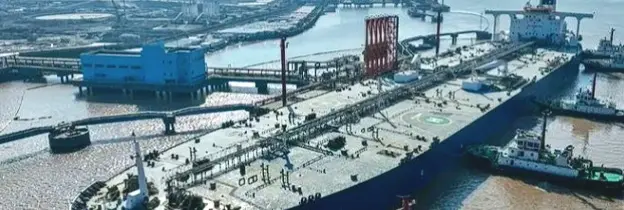
Tehran: Iran has carved out an exemption for Iraq from its shipping curbs in the Strait of Hormuz, offering potential relief for global oil supplies as the war with the US and Israel stretches into its fifth week.
The Iranian military’s spokesman announced the decision, as reported by the state-run Islamic Republic News Agency (IRNA): “Brotherly Iraq is exempt from any restrictions we have imposed on the Strait of Hormuz.”
This step could free up to 3 million barrels per day of Iraqi crude.
However, an Iraqi oil official noted that shipping companies must still weigh the risks of entering the strait to load cargoes. Questions linger over whether the waiver covers all Iraqi exports or only its own tankers, Reuters reported.
The conflict erupted after US and Israeli strikes on
Iran on February 28, prompting Tehran to choke the vital waterway — which funnels about 20% of the world’s oil and liquefied natural gas (LNG). Early disruptions forced Iraq and Gulf states to slash production as exports halted and tanks brimmed.
A Fortune report highlighted Iraq’s exports plunging 97% in March to a mere 99,000 barrels daily from prior levels, funnelled mostly via a pipeline to Turkey’s Ceyhan port on the Mediterranean.
Yet, vessel movements have edged higher amid selective approvals. Iran greenlights pre-vetted routes for friendly states while vowing strikes on US or Israel-linked ships. Pakistan negotiated safe passage for 20 vessels under its flag; similar pacts aid other Asian nations.
India features prominently among approved countries — alongside China, Russia, Iraq, and Pakistan. Successful transits include Indian LPG carriers Pine Gas, Jag Vasant, Shivalik, and Nanda Devi, plus crude tanker Jag Laadki.
A French vessel marked the first Western European crossing earlier this week, trailed by a Japanese-owned LNG tanker.
France and other European powers are testing diplomatic waters for de-escalation, but progress remains elusive as tensions simmer.