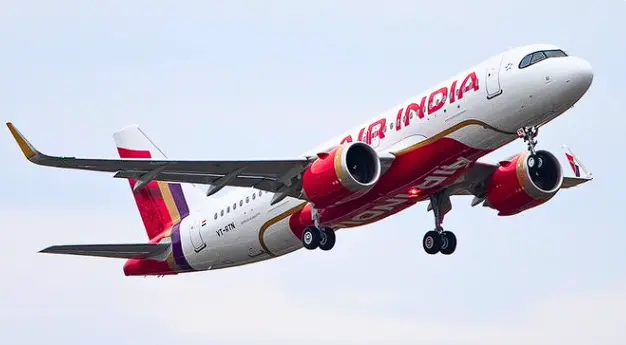
New Delhi: The Air India aircraft that suffered a sudden loss of altitude on its way from Phuket to Delhi on August 4 may have encountered a serious technical problem, according to information available about the incident.
The prompt response of the pilots is believed to have prevented a far more serious accident. Seventeen people on board were injured.
The incident was initially linked to turbulence and prevailing weather conditions. However, subsequent information points to possible technical issues involving the aircraft, as reported by The New Indian Express.
In its first statement, Air India described the episode as “brief in-flight turbulence resulting in momentary change in altitude”. A second statement issued later in the day referred instead to a “sudden loss of altitude during cruise”, with the reference to “turbulence” omitted.
Captain Sam Thomas, president of the Airline Pilot Association of India, said the aircraft had suffered a failure of all three hydraulic systems.
“The A320 plane was entering Jharsuguda in Odisha around 10.30 pm when the Pilot-in-Command realised the aircraft had a triple hydraulic systems failure.
These systems take care of flight controls and general functioning of the plane. The Flight Captain immediately asked the co-pilot to take the nose down. This took the aircraft down by 300 feet.
The dip in altitude creates a negative G and that only caused the passengers to be thrown around. This quick action by the cockpit crew is responsible for saving countless lives on board.”
Thomas said the hydraulic systems are crucial to the functioning of the aircraft’s flight controls and other major systems.
“An Airbus A320 has three hydraulic reservoirs located in the belly of the aircraft. Pipes and steel tubes running from them connect them with the systems in the control surfaces of the plane.”
He said a simultaneous failure of all three hydraulic systems was extremely uncommon. “In such situations, the cockpit crew may take the plane down by even up to 800 feet to stabilise it,” he explained.
DGCA Grounds Pilots; Dope Tests Conducted
Meanwhile, the Directorate General of Civil Aviation has de-rostered both pilots who were operating the Air India flight from Phuket to Delhi.
One of the pilots reportedly returned a positive result in the initial dope test. A confirmatory examination was subsequently conducted, and its findings are awaited.