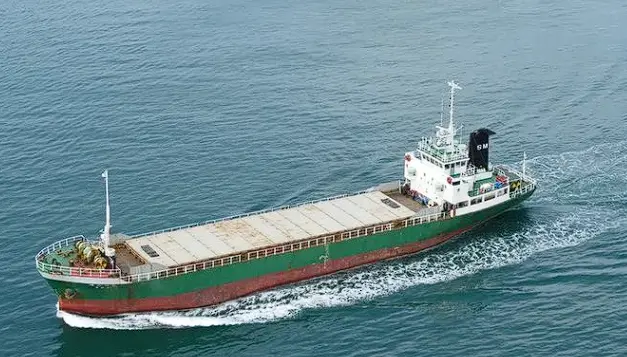
Washington: The US military said on Saturday it disabled a merchant vessel attempting to breach its blockade of Iranian ports by striking the ship’s engine room with a missile, AP reported.
Central Command said the Gambia-flagged freighter Lian Star plowed on toward an Iranian port despite being warned more than 20 times overnight by US forces. The vessel now lies adrift in the Gulf of Oman, and American troops have stayed off the ship so far, a US official said, speaking on condition of anonymity
According to the command, this is the sixth time US forces have physically intervened to stop a ship attempting to punch through the blockade. Another vessel was ultimately permitted to continue its voyage, while 116 others have been pushed onto different routes, the military said.
The United States introduced the blockade on April 17 after Iran, in effect, shut the Strait of Hormuz, following a sharp flare-up in the Middle East war that began in late February with US and Israeli attacks on Iranian targets. A shaky ceasefire has been in place since April 7. Diplomats and officials are now
waiting to see whether negotiators can clinch a 60‑day extension to that lull while talks proceed over Iran’s contested nuclear program.
The turmoil in and around the strait — a narrow but crucial link between Iran and Oman — has sent fresh tremors through the global economy. Large volumes of oil, natural gas and related goods such as fertilizer are backed up or delayed, driving up pressure on consumers and on producers who rely on those inputs.
US officials say the blockade is meant to slash Iran’s export capacity and tighten the squeeze on its access to foreign currency, ramping up the economic strain on the Iranian state.
President Donald Trump met advisers on Friday to weigh a proposal that would both prolong the ceasefire and reopen the strait but has not yet signed off on it, officials say. Iran, meanwhile, has stressed that no agreement has been sealed.
Despite Tehran’s insistence that ships must obtain its consent to transit, some commercial traffic is still navigating the strait, though volumes remain far below what they were before the fighting erupted.
Iran has also begun levying transit charges reportedly reaching up to 2 million dollars per passage, a move experts argue runs against a basic norm of international maritime commerce: freedom of peaceful navigation.
Qatar’s deputy prime minister, Sheikh Saoud bin Abdulrahman bin Hassan bin Ali Al Thani, said on Saturday that Doha does not endorse charging for passage, “but for certain times when they say they are going to use it for mine clearing or some usage of the fees for a temporary time, this is something that is negotiable, and it could be something that will help the transit of the Strait of Hormuz to be back to normal stage.”