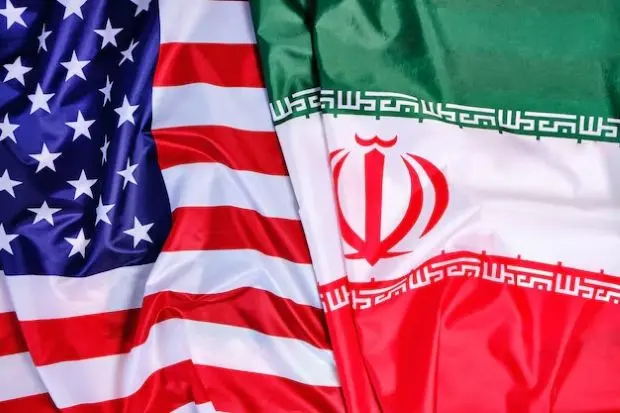
Washington DC: The United States has imposed sanctions on Iran’s Interior minister Eskandar Momeni, accusing him of overseeing brutal crackdowns on nationwide protests — challenging Tehran’s regime – that have left thousands dead.
Meanwhile, Iran’s Foreign minister Abbas Araghchi declared on Friday that no meetings with US officials are currently being planned, rebuffing President Donald Trump’s overtures for nuclear talks, while insisting Tehran will not negotiate under duress or threat of military action.
The Treasury Department’s action targets Momeni for directing the Law Enforcement Forces (LEF), which has been responsible for mass killings, arrests and disappearances since the late December unrest sparked by economic woes.
Sources said Treasury secretary Scott Bessent announced the penalties under Executive Order 13553, blocking all US-held assets of Momeni and associates, including embezzler Babak Morteza Zanjani and IRGC-linked crypto exchanges.
“President Trump stands
with the Iranian people,” Bessent stated, vowing to dismantle regime networks laundering oil funds amid “maximum economic pressure” via NSPM-2. The move freezes properties, bans US transactions, and hits shadow banking tied to protest suppression.
This follows the European Union’s January 28 sanctions on Momeni, Prosecutor General Mohammad Movahedi Azad, and 13 others, plus designating the IRGC a terrorist group — freezing EU assets and barring funding, sources said.
Iranian foreign minister makes Tehran’s stand clear
In Istanbul, Iranian minister Araghchi emphasised Iran’s openness to “fair and just” diplomacy, but rejected any framework involving its missile programme or defensive capabilities.
Speaking alongside Turkish counterpart Hakan Fidan at a press conference, Araghchi said: “We are under no circumstances willing to accept dictation or imposition.”
Araghchi clarified that while discussions on Iran’s nuclear programme — deemed “fully peaceful” — remain possible, there is no concrete agenda or timeline.
Dismissing Trump’s recent comments on direct communication, Araghchi said such talks cannot happen under the shadow of threats, referencing US naval deployments in the Gulf and warnings of strikes being “far worse” than 2025 operations.
Araghchi added that Iran is “ready for negotiations, but equally ready for warfare.”