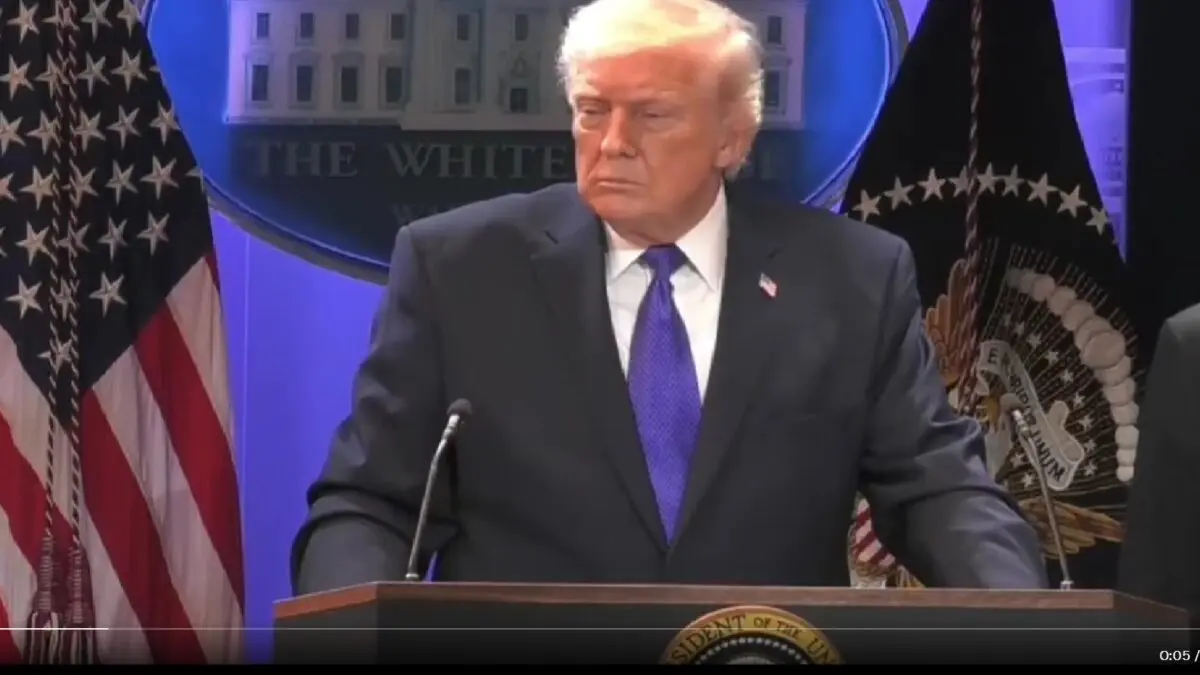
Washington: In a major development, the US Senate on Tuesday overwhelmingly advanced a bipartisan bill that will give President Donald Trump the power to impose new sanctions on Russia and penalise major buyers of its exports.
According to a report published in the TOI, the legislation could impose 500% tariff on Russian goods that are exported to the US. This apart, there could be an additional 100% tariff on the largest importers of Russian crude and natural gas that have been helping Moscow to evade sanctions on energy.
The Senate voted 86-12 to clear the hurdle to the bill that was first championed by late Republican Senator Lindsey, reported TOI.
According to reports, the measure could pass the Senate later this week. It is unlikely to become a law before September as the House has already started its August recess.
The bill also extends the Iran Sanctions Act, preserving US authority to impose secondary sanctions on non-US companies doing business with Iran.
The legislation has now been renamed the ‘Lindsey O. Graham Sanctioning Russia and Iran Act of 2026’.
Late Senator Lindsey Graham was one of Ukraine’s strongest supporters in the US Congress, whose funeral is being held on Tuesday, reports state.
Ukrainian President Volodymyr Zelenskiy is in Washington to attend the funeral. According to the TOI report, Zelenskyy met President Donald Trump and then travelled to Capitol Hill, where he urged the US legislators to maintain sanctions on Moscow.
“Sanctions pressure on Russia is very important. It is not only about your money. It is also a big signal to Europe, a big signal to Ukraine,” Zelensky was quoted as saying in the TOI report.
President Trump has expressed support for the legislation. According to reports, Trump has requested that Iran-related sanctions be added to the bill. This has drawn concerns from some Democratic lawmakers, according to Reuters. Senate Democrat leader Chuck Schumer said the bill would send a strong message to Russian President Vladmir Putin. Some Democrats, however, cautioned that this could expand Trump’s tariff powers.