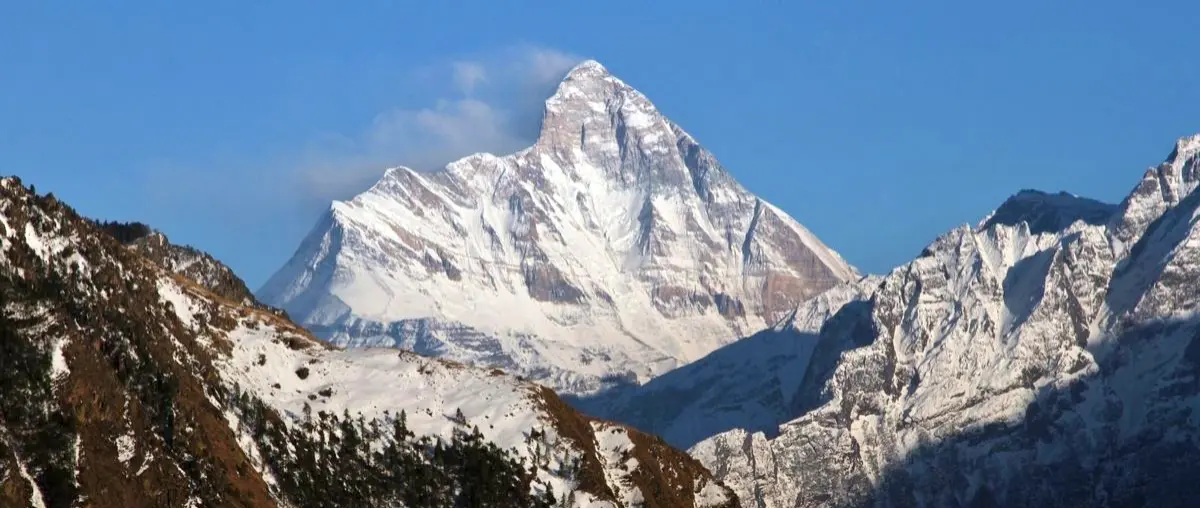
Dehradun: Uttarakhand chief minister Pushkar Singh Dhami has announced the opening of 83 Himalayan peaks — including the iconic Nanda Devi — for mountaineering expeditions, boosting adventure tourism in the eco-sensitive Garhwal and Kumaon regions. The decision, approved by the state cabinet, reverses decades-long restrictions to promote regulated high-altitude climbing while prioritizing environmental safeguards.
According to reports, among the 83 peaks now accessible are Nanda Devi East (7,434m), previously off-limits due to its location in the Nanda Devi National Park biosphere reserve; Kamet (7,756m), India’s third-highest summit; and Bandarpunch (6,316m). Other notables include Swargarohini (6,252m), Chaukhamba (7,138m), Satopanth (7,075m), and technical challenges like Kedar Dome (6,831m) and Baljuri Peak (5,922m). Peaks span Gangotri,
Yamunotri, and Pindari Glacier areas, offering routes from moderate treks to extreme ice climbs.
Climbers must secure permits via the state tourism department’s online portal, with mandatory liaison officers, waste management plans, and insurance covering ecological restoration. The move follows Indian Mountaineering Federation (IMF) recommendations and aligns with 2025 amendments allowing limited access to 53 peaks, now expanded amid post-monsoon window (May-June, September-October). Fixed ropes, base camps, and rescue protocols will support expeditions, targeting 6,000m+ summits previously reserved for military training.
Dhami highlighted revenue potential from global climbers, projecting Rs 500 crore annually through homestays, guides, and gear rentals in districts like Chamoli, Rudraprayag, and Pithoragarh. Local communities gain priority in porter and cook roles, with 20% royalties funding conservation. Experts like Himalayan climber Bachendri Pal praised balanced access, urging tech-savvy youth to conquer “roof of the world” peaks.
Nanda Devi Biosphere monitoring via drones and GPS ensures zero litter, with penalties for violations. The policy caps teams at 10 per peak seasonally, preserving fragile glaciers amid climate threats.