New Delhi: The song Vande Mataram, composed in Sanskrit, was a source of inspiration to the people in their struggle for freedom. It has an equal status with the national anthem, ‘Jana-gana-mana.’ On the song’s 150th anniversary, here are some interesting facts about it:
-
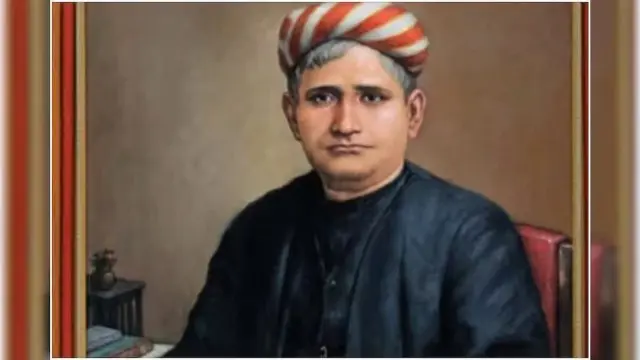
- The song “Vande Mataram” was composed by Bankim Chandra Chatterjee.
- It was first published in the literary journal Bangadarshan on 7 November 1875.
- The poem literally translates to “Mother, I Bow to Thee.”
- Bankim Chandra Chatterjee incorporated the hymn into his novel Anandamath (published in 1882).
- The novel Anandamath was initially serialised in the Bengali monthly magazine Bangadarshan.
- The song “Vande Mataram” appeared in the very first instalment of the serialisation of the novel (March-April 1881 issue). Listen to the song here:
Vande Mataram, a forever emotion for India
Some songs don’t just play, they live in our hearts.
Every time we sing or hear it, it gives us goosebumps.
150 years on, #VandeMataram still beats with the soul of India. This November, the nation celebrates the song of unity and… pic.twitter.com/9HR8nJD7iS— MyGovIndia (@mygovindia) October 28, 2025
- In October 1905, a society called Bande Mataram Sampradaya was founded in North Calcutta to promote the idea of the Motherland as a mission and religious passion; it used the song as a devotional/mission symbol.
- That society went out every Sunday in ‘Prabhat Pheris’ (morning processions), singing “Vande Mataram” and collecting voluntary contributions in support of the motherland; even Rabindranath Tagore sometimes joined.
- In August 1906, an English daily titled Bande Mataram (newspaper) was launched under editor Bipin Chandra Pal, with Sri Aurobindo later joining as joint editor; it became a powerful instrument of India’s awakening.
- The British colonial administration, alarmed by the rising influence of “Vande Mataram” as song and slogan, adopted stringent measures to curb its spread.
- In November 1905 a fine of ₹5 was imposed on each of 200 students at a school in Rangpur, Bengal, for chanting “Vande Mataram.”
- In Rangpur, prominent anti-partition leaders were instructed to serve as special constables to prevent the chanting of “Vande Mataram.”
- In November 1906, at a large meeting held at Dhulia (Maharashtra), cries of “Vande Mataram” were raised.
- In 1907, when Bhikaji Cama raised the tricolour flag for the first time outside India (in Stuttgart, Berlin), the words “Vande Mataram” were written on it.
- In 1908, at Belgaum (Karnataka), on the day Lokmanya Tilak was being deported to Mandalay in Burma, police thrashed many boys and arrested many persons for chanting “Vande Mataram” despite a verbal prohibition.
- The song, as a political slogan, was first used on 7 August 1905.
- On 24 January 1950, in the Constituent Assembly of India, Dr Rajendra Prasad stated that “Vande Mataram”, because of its role in the freedom movement, should have the same status as the national anthem Jana Gana Mana.
- The song was thus adopted as India’s National Song, and is to be honoured equally with Jana Gana Mana.
- The 150th anniversary of “Vande Mataram” is being marked in 2025, with the celebration of 150 years since its first publication in 1875.
- “Vande Mataram” transcended its literary origin to become a potent symbol of anti-colonial resistance, national awakening, and devotion to the motherland.