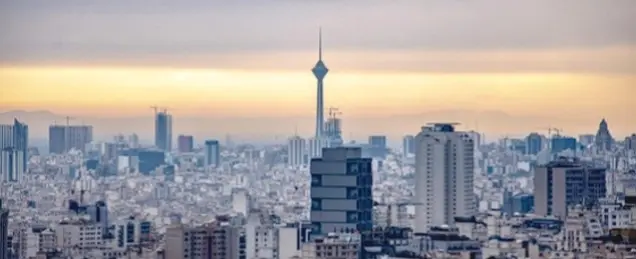
War Hits All Classes: Tehran’s North-South Contrast Exposed
Cairo: A fragile ceasefire has offered some respite to Iranians following prolonged Israeli and US airstrikes, yet widespread anxiety persists that conflict could reignite. The agreement, which began on Wednesday, has hushed the skies over Tehran after over a month of intense attacks primarily aimed at official and military sites, alongside significant residential destruction.
Key disputes linger unresolved, testing the truce amid Israel’s continued campaign against Hezbollah — backed by Iran — in Lebanon and Tehran’s reluctance to completely restore access to the Strait of Hormuz, essential for global oil transit.
“Everyone I’ve spoken with, it’s given them a new life,” a university student shared with The Associated Press in an anonymous WhatsApp audio message, voicing safety concerns. “Everyone is really happy,” he said. But “Tehran has seen a lot of damage,” he noted, with many dreading a return to violence.
The Associated Press connected with six Tehran residents, navigating a countrywide internet blackout enacted during earlier mass demonstrations prior to the escalation.
A City Steeped In Grief
Maryam Saeedpoor, a downtown Tehran photographer, attempted painting to cope with the relentless explosions but abandoned it as her hands trembled uncontrollably. She draws scant reassurance from the ceasefire or President Donald Trump’s abrupt shift from vows to obliterate vital infrastructure and bridges—peaking in a social media declaration: “A whole civilization will die tonight.”
The assaults, she worries, have inflicted enduring blows to sectors and facilities that buffered Iran against years of global sanctions. To her, the two-week halt amounts to just a “pause,” offering no certainty of lasting peace.
“Tehran is the warmest, the most beautiful city in the world in my opinion, but now its face is full of sadness, pain,” Saeedpoor conveyed via WhatsApp audio. “They say they wanted to take out government leaders, but so many innocent people have been killed.”
Before the truce, near her residence, she witnessed rescuers combing debris from struck apartment blocks. An Instagram image she shared depicted the devastation from a pre-deal attack: “The building’s residents, by chance, weren’t home that day. All the homes along the street had been destroyed because they’d hit a police station,” she explained.
Awakening To Silence After Dread
The strikes claimed over 1,900 lives and injured more than 5,700, per Iranian officials—who do not separate military from
civilian tolls. Iran’s Red Crescent reports thousands of homes damaged.
Tuesday hinted at worsening strife. Trump’s warnings spurred residents to hoard water and flee to safer zones, leading to restless nights until the truce announcement just before his ultimatum expired.
An advertising professional in his late 20s roused before sunrise; the lack of anti-aircraft booms confirmed the pause. He recounted via anonymous Telegram voice note, stating he was jolted awake before dawn. When he didn’t hear the thud of air defenses, he knew there had been a truce and went back to sleep ‘with a laugh and a smile.'”
Divisions Deepen, Yet Cultural Pride Endures
Iran’s populace harbours sharp political rifts — evident in January’s vast street protests, later suppressed — but unites in reverence for millennia-old Persian heritage and the pre-1979 Islamic Revolution nation-state, both imperiled by Trump’s rhetoric.
Encircling Tehran are majestic snow-dusted peaks; 19th-century monarchs crafted sweeping boulevards flanked by plane trees and enduring jub irrigation channels. Pre-revolution and pre-Iran-Iraq war oil riches sparked a building surge, now marred by fresh conflict wounds.
Renowned for poetry, Persian culture thrives among everyday citizens. A Tehran journalist recently shared on X a market photo: eggs stacked with a sign proclaiming, “Recite poetry, get a discount.”
Ali Jafarabadi, CEO of Book City — Iran’s premier bookstore network — noted a boom in historical war novels, self-improvement titles, and adult colouring books as people hunkered down. War damage hit at least six Tehran outlets; a proximate explosion gutted the flagship on Shariati Street, smashing glass and impaling his office books with debris.
Branches shuttered initially but swiftly resumed, thriving lately. “It shows people are craving books, people are craving culture, people are craving a safe space where they can come and connect with each other,” Jalalabad said over phone. “That is the people of Iran.”
A women’s fitness trainer and social media figure took to motorcycling Tehran streets “as a form of civil resistance,” challenging longstanding taboos despite loosening headscarf rules. Her rides revealed the city’s split realities: northern affluent enclaves with crowded chic cafes, versus central modest teahouses dominated by men and hookah pipes. Bombs spared neither class.
“The streets where a building has been damaged and destroyed, or the houses around it, are different,” the trainer said anonymously, fearing for her safety. “Silence. The smell of death.”
The ceasefire evoked mixed responses mirroring divides: anti-regime voices yearned for its overthrow via war; loyalists rued ending a battle they viewed as triumphant. The advertiser captured the middle ground: “Most people in Iran, unlike what you find on a platform like Twitter, are moderates,” he said. “Everyone is looking for an improved situation, not a radicalized situation at any cost.”