Bhubaneswar: In a major policy decision aimed at safeguarding Odisha’s water security, the Department of Water Resources has ordered the immediate suspension of hydroelectric power generation across major reservoirs whenever water levels drop below critical safety thresholds.
Issued on Tuesday by Additional Secretary Narahari Sethy, the directive instructs the Engineer-in-Chief (Water Resources) to prioritise drinking water and agricultural irrigation over energy production without waiting for further administrative clearances. The decision follows high-level review meetings chaired by Chief Minister Mohan Charan Majhi and Deputy Chief Minister K V Singh Deo on July 20, where state leadership evaluated growing water security risks posed by climate variability and lower storage levels driven by the lingering El Niño phenomenon.
Key Directives
Absolute Priority for Drinking & Irrigation: Drinking water and agricultural requirements are designated as paramount. Power generation must be halted immediately—without waiting for further administrative clearances—if storage falls below designated safety baselines.
24/7 Reservoir Monitoring: Field engineers and authorities must continuously monitor power-generating reservoirs on a 24-hour basis.
Strict Tracking: Authorities are directed to maintain rigorous daily logs tracking live storage levels, water inflows, and prospective depletion rates.
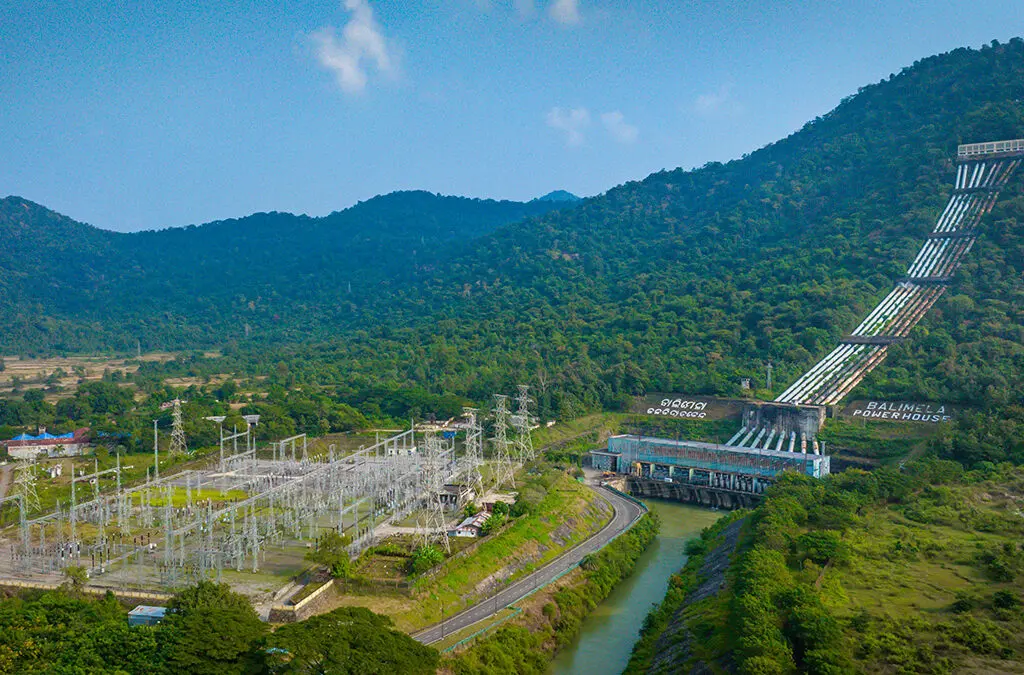
The policy shift directly impacts major installations managed by the Odisha Hydro Power Corporation (OHPC), including the Hirakud, Balimela, Rengali, and Upper Indravati reservoirs, which together contribute to the state’s installed hydroelectric capacity of over 2,000 MW.
The OHPC had already begun conservatively curbing hydel generation at these key facilities to preserve essential storage for human consumption and agricultural use during the upcoming cropping season. To cushion potential energy deficits resulting from the suspension of hydropower, energy trading and grid management authorities, including GRIDCO and the State Load Despatch Centre (SLDC), are relying heavily on thermal power generation, independent power producers, and central grid allocations to maintain uninterrupted power distribution across the state.