Gandhinagar: Health officials in Gujarat have gone on high alert after 22 children died of what is known as the Chandipura virus.
The state’s health minister Praful Pansheriya said that out of 184 suspected cases reported among children under 15 years old across various districts , 11 test results remain pending, while 22 have died. Thirty five have tested positive.
Seven positive patients are receiving super-specialist care in civil hospitals across Gandhinagar, Sabarkantha-Himatnagar, Patan, Rajkot, and Bhavnagar, while six patients have recovered and been discharged, the minister said.
Ground teams have been deployed to execute strict preventive measures, health department officials said. Residents are being advised to seal cracks in mud walls and intensive insecticide spraying has been initiated around cattle-rearing zones to eliminate vectors.
Public and private pediatric facilities have been directed to immediately admit patients with symptoms into ICU beds equipped with oxygen and ventilators to avoid severe conditions like multiple organ failure.
What is the Chandipura virus?
The name of the virus – Chandipura vesiculovirus (CHPV) – comes from a village in Maharashtra, where the first case of this infection was diagnosed in 1965. It is an RNA virus. The pathogen is a member of the Vesiculovirus genus of the family Rhabdoviridae.
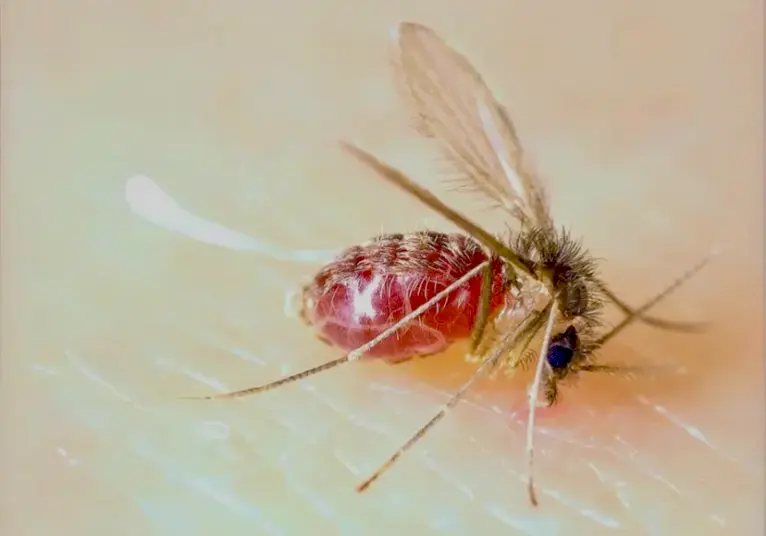
The virus causes fever and symptoms that are similar to flu and acute encephalitis (inflammation of the brain). It is transmitted by vectors like mosquitoes, ticks and sandflies. Experts have noted that the primary vectors are sandflies, which can live in cracks in walls and in portions of mud- or sand-built dwellings. The primary targets of this virus are children between the ages of 9 months and 14 years.
Neha Khan, consultant, Infectious Diseases, told WION that children are more susceptible and the risk increases in the rainy season. She confirmed that there is currently no approved vaccine available to prevent Chandipura Virus (CHPV) infection.
Weighing in on the symptoms, she said: “This virus initially causes fever, vomiting, loose motion, and other viral-like symptoms, but in addition, it also causes swelling in the brain called encephalitis, leading to convulsions, altered sensorium, delusion, unconsciousness episodes and seizures.”
“So, all these symptoms can be there because of the involvement of the brain with this virus,” she explained.
However, the virus does not transfer from person to person and is not contagious.
The last major outbreak of this virus in India was in 2003, when it infected 329 children and killed 183.
.