Washington/Tehran: The United States and Iran have signed a landmark interim peace agreement aimed at ending months of conflict and easing tensions in West Asia, marking the most significant diplomatic breakthrough between the two countries in decades.
The 14-point memorandum of understanding, digitally signed by US President Donald Trump and Iranian President Masoud Pezeshkian, extends the existing ceasefire by 60 days and lays the groundwork for negotiations toward a permanent settlement. The agreement is expected to facilitate the reopening of the strategically important Strait of Hormuz, a vital global shipping route that has been at the centre of the conflict.
The agreement also includes a $300bn (£224bn) plan for Iran’s “reconstruction”, and the US terminating “all types of sanctions” on Iran, reported the BBC.
However, issue of Iran’s nuclear programme, which is the main reason cited by the US for the conflict, is yet to be negotiated over an extendable 60-day period.
Under the terms of the deal, ships will be allowed toll-free passage through the Strait of Hormuz for the next 60 days. Iranian officials, however, have indicated that trans
it charges may be imposed after that period. The agreement also includes measures such as the lifting of the US blockade on Iranian ports and the unfreezing of Iranian assets.
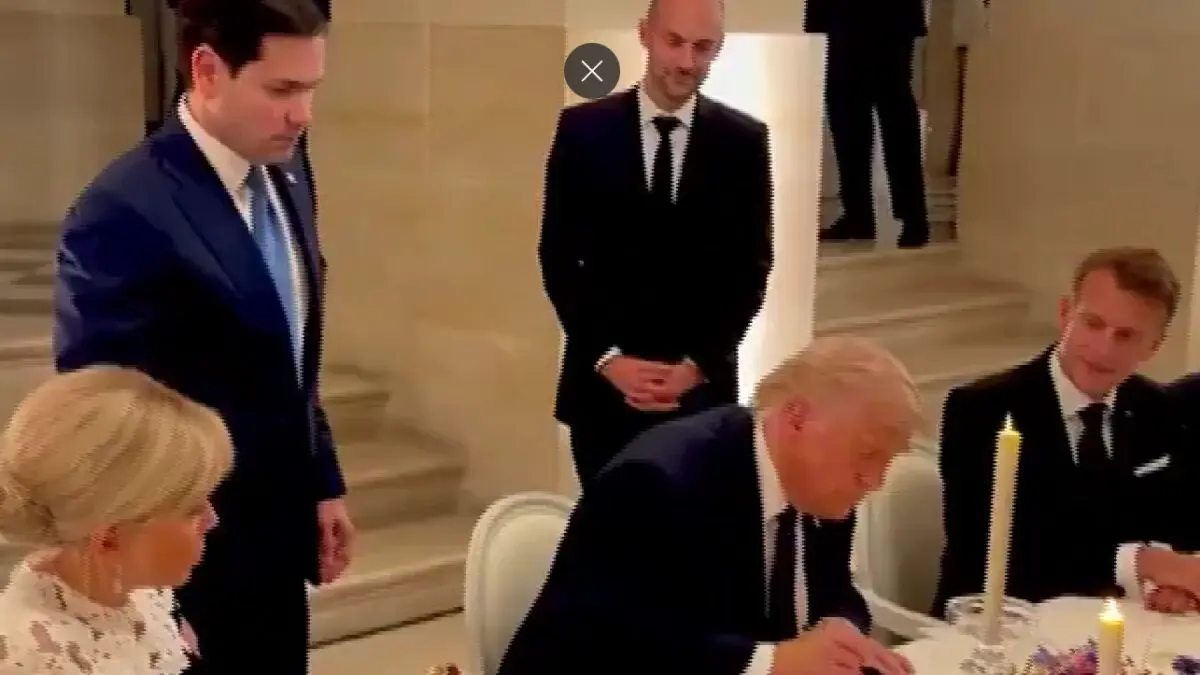
Trump has signed the deal in France during the G7 summit. He, according to the BBC, defended the proposal, saying it would stave off an “economic catastrophe”. He also warned that the US would “bomb the hell” out of Iran if no final agreement was reached at.
Iranian President Masoud Pezeshkian also signed the document on Wednesday, according to Tehran state broadcaster Fars.
Iran’s parliamentary speaker and key negotiator Mohammad Bagher Ghalibaf told its state media that if the enemy did not understand the language of logic, Iran would enter again with the language of power.
The accord further provides for negotiations on sanctions relief and addresses concerns surrounding Iran’s nuclear programme. Tehran has reiterated that it does not seek to develop nuclear weapons and has agreed to reduce its stockpile of enriched uranium under the framework of future talks.
Global markets reacted positively to the announcement, with oil prices falling on expectations that Iranian oil exports could return to international markets and maritime traffic through the Strait of Hormuz would normalize. Analysts said the deal could help stabilize energy supplies and reduce pressure on global inflation. Gold prices rose more than 1 per cent on Thursday, recovering from a steep selloff in the previous session, reported Firstpost.
A formal signing ceremony is expected to take place in Switzerland, while negotiators from both sides continue discussions on a broader and more permanent peace arrangement. International leaders, including members of the G7, have welcomed the agreement as an important step toward regional stability.