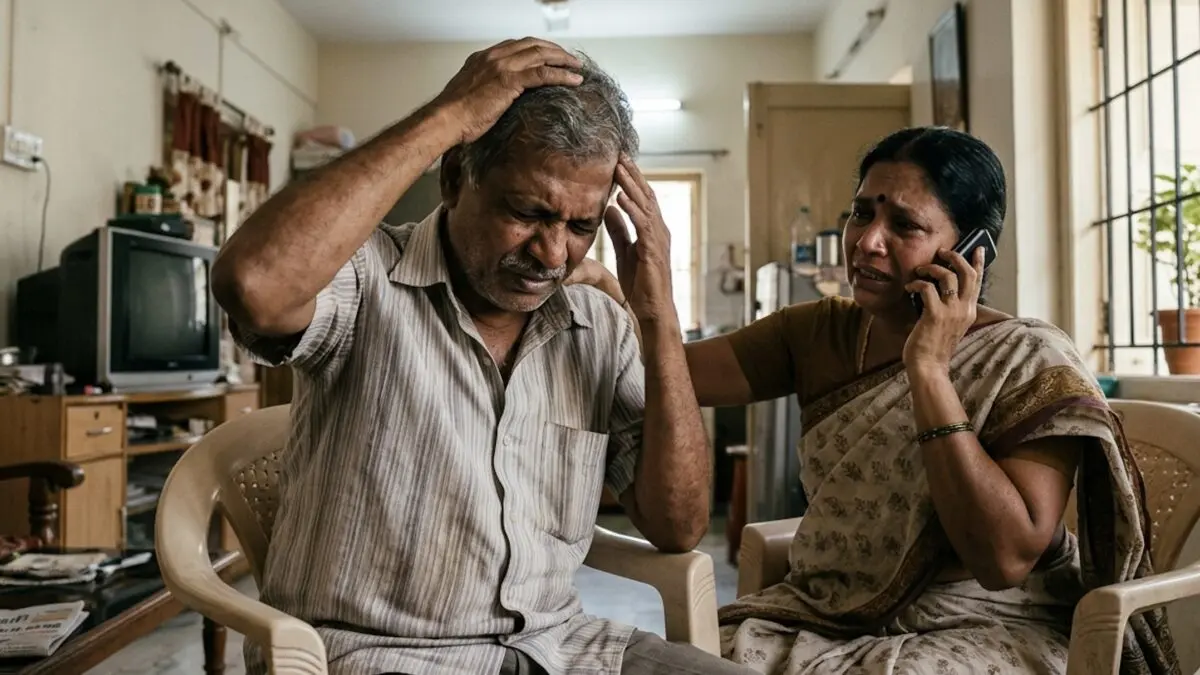
With stroke emerging as a rapidly escalating global health emergency, immediate and coordinated action is our most powerful tool to save lives and protect communities.
The global health landscape is facing an unprecedented crisis. Noncommunicable diseases (NCDs) claim an estimated 43.8 million lives each year, with stroke alone accounting for approximately 17 percent of these deaths.
According to the Stroke Action Now report, released by the Global Stroke Action Coalition with the World Stroke Organization as convener, the absolute number of people affected by stroke has nearly doubled over the past 30 years. The data is alarming. Every single year, a staggering 12 million new stroke cases are recorded globally, and 94 million people are currently living with its devastating effects. Furthermore, stroke can no longer be dismissed as a disease of old age; 1.8 million people will experience a stroke before celebrating their 50th birthday.
Despite the immense scale of this emergency, critical gaps remain in stroke-ready healthcare facilities and the availability of skilled healthcare staff. Globally, less than 3 per cent of patients have access to highly effective mechanical thrombectomy treatments, and 20 to 40 per cent of healthcare settings still lack basic rehabilitation services. The scenario in India is not encouraging too.
Recognising the gravity of this crisis, a pivotal moment in global health policy arrived recently. On February 3, 2026, the World Health Organisation (WHO) Executive Board advanced a landmark draft resolution aimed at reducing the burden of stroke. This resolution, which focuses on strengthening prevention, acute care, rehabilitation, and health system readiness, fills a long-standing gap in global policy.
The WHO resolution underscores that without dedicating coordinated efforts to combat stroke, the world will struggle to meet the Sustainable Development Goal (SDG) 3.4 target of reducing premature mortality from NCDs by one-third by the year 2030. The WHO mandate urges Member States to integrate comprehensive stroke care into their universal health coverage plans, mirroring the urgencies highlighted by the Global Stroke Action Coalition.
However, amidst these challenges, there is a powerful message of hope: stroke is preventable, treatable, and recoverable. Approximately 80 per cent of the current stroke burden is linked to 10 modifiable risk factors, including high blood pressure, air pollution, and smoking. By managing these factors, prevention becomes the most effective and cost-effective way to reduce the global burden. Every rupee invested in stroke and cardiovascular disease prevention yields an exceptional return on investment of 1:10.
To translate this potential into public health victories, the Global Stroke Action Coalition recommends five urgent actions:
>> Prioritise stroke within national NCD health strategies to achieve universal health coverage.
>> Develop National Stroke Action Plans encompassing the entire care pathway from prevention to rehabilitation.
>> Commit immediate funding to unlock the high return on investment for evidence-based interventions.
>> Implement robust monitoring systems such as national registries to ensure transparency and public accountability.
>> Include stroke survivors and caregivers directly in health policy development and decision-making.
The window of opportunity is open right now. By committing to prevention, aligning with WHO frameworks, and building resilient healthcare infrastructure, we can reduce the burden of stroke for everyone, everywhere.
(The author is a senior media professional, communication specialist, public health advocate. He Chairs the India stroke initiative, ‘Spot Stroke, Save Lives’, hosted by IFI Foundation, a member of World Stroke Organisation.)