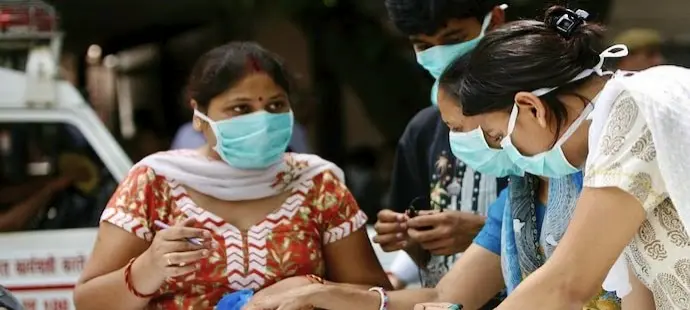
New Delhi: Cases of H1N1, commonly known as swine flu, and other respiratory infections are on the rise in Delhi-NCR amid humid and changing weather conditions.
The Delhi government has, however, said there is “no cause for panic” despite the increase in cases.
On Thursday, a meeting was convened between the Delhi Health Department, the Municipal Corporation of Delhi (MCD) health department and hospitals to review the situation. At the meeting, It was decided to step up surveillance, strengthen preparedness and implement necessary health protocols.
Union health minister J P Nadda is also scheduled to meet with the Delhi health minister and officials from the Ministry of Health and Family Welfare and the Government of NCT of Delhi to review the ongoing H1N1 situation in the national capital.
Doctors are among those who have tested positive to H1N1. The list includes the head of a government hospital. Doctors are reporting more patients with flu-like symptoms, while some patients have experienced falling oxygen levels, raising concerns about severe respiratory illness.
As many as 1,777 H1N1 cases have been reported in Delhi so far this year, compared with 229 during the same period last year. The sharp increase comes amid the monsoon, when respiratory infections can become more common, as reported by India Today.
The virus can cause sudden fever, dry cough, body aches, headache, sore throat, chills and fatigue. In some cases, patients can develop breathing difficulties and low oxygen levels. People should seek medical attention if they experience breathlessness, chest pain, persistent high fever, confusion, bluish lips or worsening symptoms, medical experts say.
The elderly, young children, pregnant women and people with conditions such as diabetes, chronic heart or lung disease, or weakened immunity are at greater risk of severe illness.
Doctors have said that treatment is particularly important for high-risk patients and those with moderate to severe disease.
People have been advised to maintain hand hygiene, follow cough etiquette, avoid close contact with others when unwell, stay home while symptomatic and seek medical advice if symptoms become severe. Influenza vaccination can also help reduce the risk of infection and complications.
The Delhi government has emphasized that despite the rise in cases, the situation does not warrant panic. Health authorities are taking steps to strengthen monitoring and preparedness, officials said.