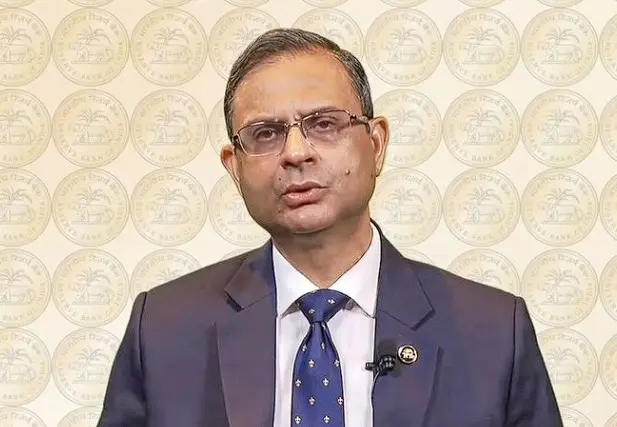
Mumbai: Prolonged Middle East conflict, particularly the intensifying Iran war, could force India to hike retail petrol and diesel prices soon, RBI Governor Sanjay Malhotra warned, as disruptions hammer the nation’s energy imports, inflation prospects, and logistics networks.
As the third-biggest global oil buyer, India is reeling from the Strait of Hormuz shutdown, which has choked energy supplies, spiked crude prices, and sparked cooking gas deficits.
“If this is to continue for longer period of time, it is just a matter of time before the government will pass on some of the price increases,” Malhotra remarked on Tuesday at a Swiss National Bank-IMF event in Switzerland.
Excise duties stand reduced, yet public-sector fuel marketers keep shouldering costlier crude amid the standoff.
Hormuz Blockade Hits Supplies
The Hormuz closure amplifies supply snarls and inflation threats for import-dependent India.
“We have this framework of flexible inflation targeting, but in such times it’s not sufficient,” Malhotra observed, stressing the need for fiscal teamwork “if the supply shock is as big as it is.”
Over the weekend, PM Narendra Modi appealed to the public to curb petrol-diesel consumption voluntarily and postpone gold acquisitions to bolster foreign reserves.
PTI had reported earlier, citing government sources, that a hike in petrol and diesel prices in the near future could not be ruled out.
Oil majors have lifted prices on commercial LPG, industrial diesel, 5-kg cylinders, and aviation turbine fuel for foreign carriers to match soaring inputs.
Despite crude topping $100/barrel, household LPG prices are frozen; 19-kg commercial cylinders jumped Rs 993 lately.
Ministers Weigh Impact
The IMF recently supported relaying elevated crude prices to end-users, affirming India’s buffer against the Hormuz crisis.
Oil Minister Hardeep Singh Puri downplayed fuel price jitters after Modi’s public transit nudge Tuesday, yet voiced unease: “How long will the oil companies be able to take it? Frankly, that worries me,” at a sector gathering.
India’s fuel sector stays regulated, with state refiners holding ~90% of pumps; central nod sets base prices, varied by state levies.
RBI Stays Flexible
April retail inflation climbed to 3.48% from March’s 3.40%, milder than feared thanks to government’s crude cost buffering.
Uncertainty looms with conflict-driven energy expenses stoking price pressures.
RBI eyes 6.9% growth and 4.6% average inflation this fiscal; analysts flag risks of tempered expansion, hotter inflation if strife endures.
Repo rate steady at 5.25% after April. “We are being more and more data dependent. We are taking it more meeting by meeting,” Malhotra said.
The governor underlined adaptable policymaking: prepared to overlook fleeting disruptions, “but if it is entrenched, we need to take action.” Upcoming review: June 5.