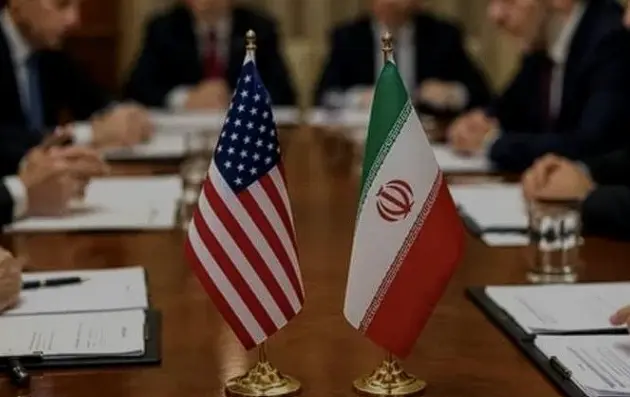
Buergenstock/Dubai: Iran and the United States resumed talks in Switzerland on Monday, extending into a second day after a fraught opening that followed Tehran’s announcement it had again halted shipping through the Strait of Hormuz and President Donald Trump’s repeated threats to strike Iran anew, Reuters reported.
The negotiations, held at the Buergenstock resort and mediated by Qatar, were the product of a memorandum of understanding agreed last week to prolong a fragile ceasefire that has been in place since April for at least 60 more days. US Vice-President JD Vance led the American delegation and spent Sunday in high-level discussions with Iranian officials aimed at implementing the deal.
Strains Emerge During Opening Session
The tone of the opening session was destabilised when, shortly before the talks began on Sunday, Fox News reported Mr Trump had warned Iranian delegates: “you won’t have a country” if they attempted to close the strait again. The network also said Trump renewed an earlier threat that the United States could take control of the waterway and impose its own tolls.
Accounts from US and Iranian participants differed. Iran’s semi-official Tasnim news agency, citing an informed source, reported that after Trump’s comments became public the Iranian delegation declined to return to the negotiation room, though exchanges continued via Qatari and Pakistani intermediaries.
Tasnim quoted Iranian negotiators as saying progress on nuclear issues depended on other elements of the MOU being delivered first, including the release of frozen Iranian assets and US waivers to permit Iranian oil sales.
A US diplomat involved in the talks offered a contrasting description to Reuters: “The Iranians never left and are still here meeting and negotiating deep into the night. We’ve talked about the strait, Lebanon, nuclear issues, and details of implementing the MOU, among other topics.”
US officials said senior-level talks were expected to conclude on Monday, with technical teams remaining afterwards to work through details. The memorandum envisages reopening the Strait of Hormuz — a critical chokepoint for global energy shipments — and a halt to hostilities across the region, includ
ing in Lebanon, where fighting has persisted even as the ceasefire was announced.
Lebanon Dispute Cited For Hormuz Shutdown
Iran has justified its renewed restriction on maritime traffic by accusing the US of failing to enforce a cessation of fighting in Lebanon. Tehran said on Saturday that the strait had been closed again and that Sunday’s discussions would not address substantive aspects of Iran’s nuclear programme.
At the Buergenstock meetings, held in the presence of Qatari mediators, Vance downplayed the effect of hostilities in Lebanon and said progress had been made toward ending the violence. “These things are always a little bit messy,” he told reporters. Back in the United States, President Trump issued fresh threats on social media, writing: “Iran must immediately stop their highly paid PROXIES in Lebanon from causing trouble. If they don’t, we’ll hit Iran very hard again, just like we did last week, only harder!!!”
Despite the president’s combative messaging, Vance said the administration was also pursuing engagement. He told reporters the president had “asked us to turn over a new leaf to transform our relationship with the people of Iran.”
A US diplomat said late on Sunday the discussions sought to “clarify some of the confusing messaging from Iran on the Strait and build deconfliction mechanisms to ensure the Strait will remain fully open.”
Dispute Over Whether Hormuz Closed
While Iranian accounts and state outlets suggested a formal shutdown, US officials disputed that the Strait of Hormuz was closed. Commercially available vessel-tracking data, however, showed a sharp fall in traffic: analytics firm Kpler recorded five ships transiting the strait on Sunday, down from 26 the previous day, though some vessels may turn off transponders when passing through the Gulf. Iran’s Fars news agency cited a military source saying no new permits were being issued for ships to cross until further notice.
Trump said he had accepted last week’s MOU to avert a global economic downturn from oil price spikes caused by the strait’s closure. Oil markets reacted: Brent crude futures climbed more than US$1 to US$81.66 a barrel in early Monday trade after the shaky start to the talks.
Lebanon Calm; Displacement Continues
Sunday appeared unusually calm across parts of Lebanon, with no major reported incidents by nightfall following two days of intense Israeli strikes and Hezbollah fire on Israeli positions. More than a million people have fled their homes in Lebanon since Israel’s March invasion in pursuit of Hezbollah fighters who struck across the border in support of Tehran.
Reuters journalists in southern Lebanon reported a surge of traffic on highways since the memorandum was signed, with some residents returning and others waving Hezbollah flags beside congested roads.