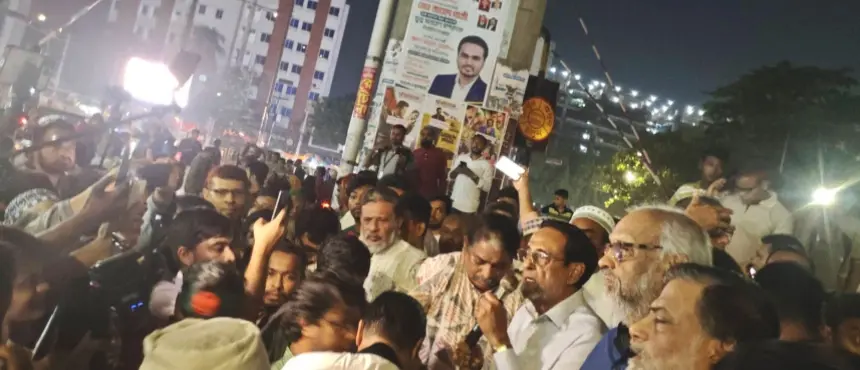
Dhaka/New Delhi: India is keeping close watch after members of a new political group, allegedly linked to the Jamaat-e-Islami Bangladesh and other Islamist outfits in that country brought out a torchlight procession and marched towards the Indian High Commission in Dhaka.
This has raised concerns over growing anti-India mobilisation in Bangladesh and its potential impact on bilateral relations, top Indian intelligence sources have told CNN-News18 .
The protest march was organised by the Bangladesh Azad Party (BAP) and other Islamist groups on Friday in Dhaka’s upscale and high-security Gulshan area.
The protesters raised slogans against alleged attempts by India to push undocumented migrants and Bangladeshi nationals across the border. The Dhaka Metropolitan Police stopped the demonstrators at the Gulshan-1 circle before they could reach the Indian diplomatic mission. The protesters subsequently staged a sit-in at the location.
The protesters also burned an effigy of Union home minister Amit Shah, signalling their oppos
ition to India’s border policies and his recent statements on the deportation of infiltrators.
The formation of BAP has been flagged by Indian intelligence officials as a calculated move by Jamaat-e-Islami Bangladesh to expand its political reach and mobilise public sentiment against India.
The Jamaat and groups associated with it are seeking to use longstanding border disputes, allegations of “push-ins” and actions by the Border Security Force to generate anti-India nationalist sentiment, sources said.
The Jamaat won several seats close to the border with India in the recently held general elections in Bangladesh. Such protests are being seen as a strategy by the Islamist organisation consolidate support.
Radical elements are also testing the response of the current Bangladeshi government and attempting to create political pressure ahead of further manoeuvring.
BAP was apparently created by people associated with the Jamaat, and those close to leaders such as Barrister Shariar Alam and some retired military personnel, intelligence inputs suggest.
The formation of such a platform may be aimed at broadening the appeal of Islamist politics beyond Jamaat-e-Islami’s traditional support base, intelligence officials believe.
The protest march has also raised security concerns for the Indian High Commission in Dhaka. Similar attempts by protest groups to approach the Indian mission in the past have prompted diplomatic responses from New Delhi, including formal protests and the summoning of Bangladeshi representatives.
Repeated anti-India demonstrations could add further strain to relations between New Delhi and Dhaka, officials have warned.