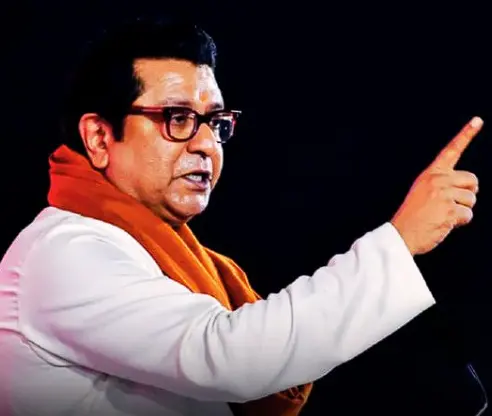
Mumbai: Maharashtra Navnirman Sena (MNS) chief Raj Thackeray on Saturday alleged that around Rs 18 crore was being pilfered every year from the famous Siddhivinayak Temple in Mumbai, PTI reported.
He also said Rs 1,400 crore had been stolen at the Ram Temple in Ayodhya, and argued that even places of worship were no longer immune to corruption. Speaking at a programme organised by his party’s student wing, Thackeray urged Prime Minister Narendra Modi to address the issue.
“Frustrated youths visit temples, but even temples are not safe from corruption,” he said.
Thackeray said a few employees who had taken money from the donation box at Siddhivinayak were caught after the trustees remained vigilant. He read out a letter allegedly written by eight trustees to Maharashtra Deputy Chief Minister Eknath Shinde.
According to him, the temple’s weekly donation collection stood at less than Rs 50 lakh before the theft came to light, but later climbed to Rs 1.5 crore.
“Every year, Rs 18 crore was being stolen,” Thackeray alleged.
Sada Sarvankar, chairman of the Siddhivinayak Temple Trust and a leader of the Shiv Sena led by Eknath Shinde, said nine employees had been arrested in the case.
“We have filed cases wherever required,” he told reporters.
Sarvankar said the increase in donations was due to steps taken by the trust, adding that the temple’s income had gone up from Rs 114 crore two years ago to Rs 182 crore.
Meanwhile, trustee Rahul Londhe told Hindustan Times that the temple’s trustees, all aligned with Mahayuti parties, had already pushed for an audit of the trust during Uddhav Thackeray’s tenure as chief minister.
He said a review meeting exposed wrongdoing involving long-serving employees, after which nine staff members were kept under watch and subsequently caught. “This means that during the earlier regime, the same employees must have been stealing from the donation boxes. So we wrote a letter to Dy CM Shinde and demanded an audit of that period,” he said.
Londhe added that once the employees were apprehended, weekly offerings, which had hovered around ₹50 lakh, began rising to more than ₹75 lakh and at times even touched ₹95 lakh.